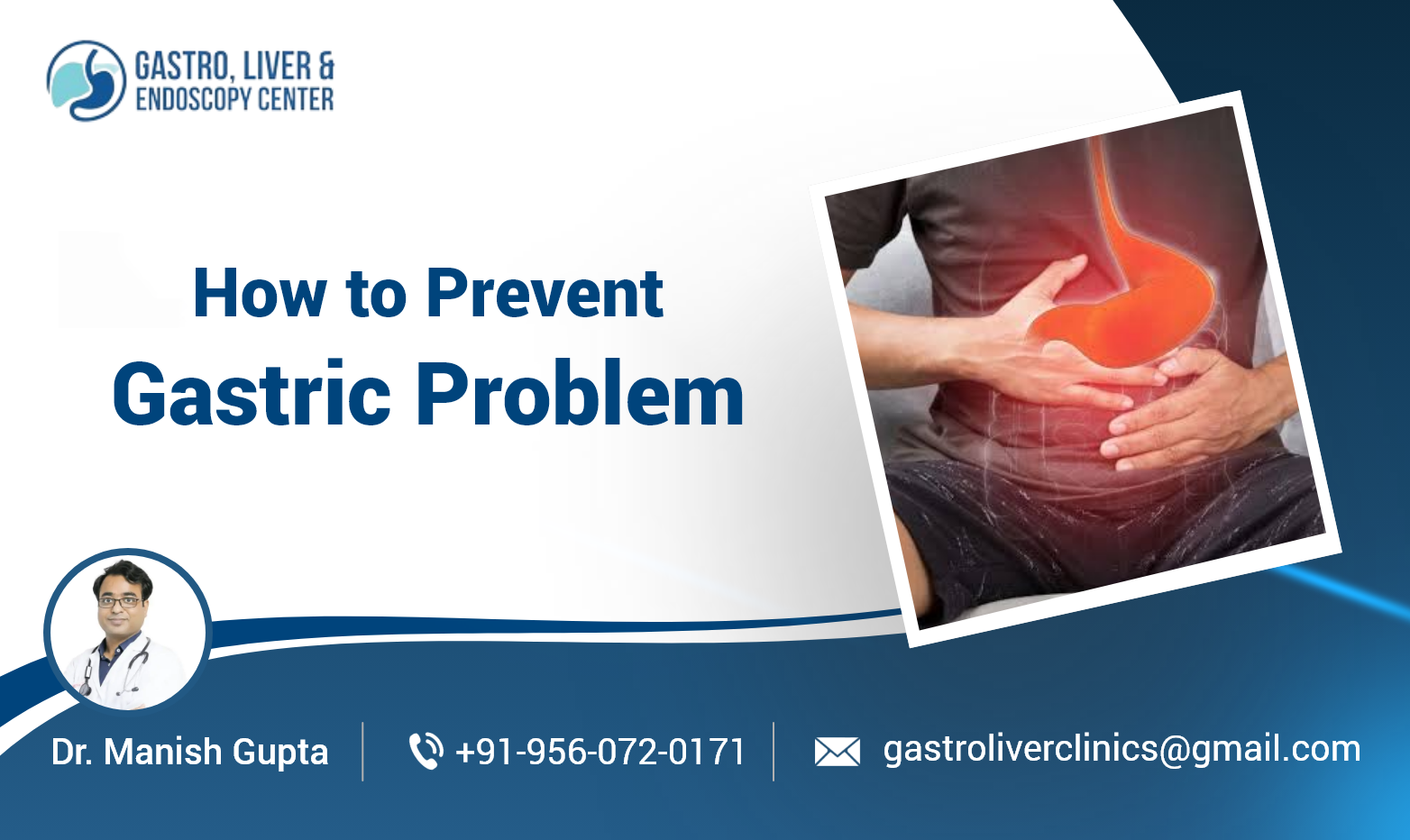
If you often feel a burning stomach, bloating or heaviness after meals, you may be looking for ways to prevent gastric problems from coming back. The short answer is that most everyday stomach trouble eases when you change what, when and how you eat, cut back on alcohol, stop smoking, and use painkillers carefully. Some symptoms need a doctor, so this guide also covers the warning signs.
[your experience: describe when you first noticed stomach discomfort, what you tried, and what helped or did not help.]
For Enquiry

This guide covers the common causes, a step-by-step plan you can follow at home, the mistakes that make symptoms worse, and when to see a GP or pharmacist. Each main point is linked to a source you can check.
Background and Key Definitions
“Gastric” simply means related to the stomach. A “gastric problem” is an everyday phrase rather than one diagnosis, but three conditions account for most cases.
Indigestion, also called dyspepsia, is discomfort in the upper stomach that usually comes on after eating or drinking. Most people get it at some point, and it is usually not a sign of anything serious. Stomach ache or back pain are usually not symptoms of indigestion.
Heartburn is a burning feeling behind the breastbone. It happens when stomach acid moves up towards the throat, a process called acid reflux. If it keeps happening, doctors may call it gastro-oesophageal reflux disease, or GORD.
A stomach ulcer is a sore that forms in the lining of the stomach. Two terms come up often. H. pylori is a bacterium that lives in the stomach lining and can make it more vulnerable to damage from stomach acid. NSAIDs are anti-inflammatory painkillers, such as ibuprofen and aspirin.
Main Points: What Causes Gastric Problems and How to Reduce Them
Eat smaller meals and finish eating early
The NHS suggests eating smaller, more frequent meals rather than large ones. Symptoms are often worse after eating and when lying down, so try to stop eating three to four hours before going to bed.
Find and reduce your trigger foods
Coffee, tomatoes, alcohol, chocolate, and fatty or spicy foods can all bring on symptoms. Cutting back on tea, coffee, cola and alcohol is a practical first step. You do not need to cut everything at once. Change one habit, then see whether your symptoms improve.
Keep a healthy weight, stop smoking and manage stress
Being overweight and smoking are recognised causes of heartburn. Stomach ulcers are also more common in people who smoke, and the risk rises as you get older. Stress and anxiety can cause or worsen indigestion. Clothes that are tight around the waist can also make symptoms worse.
Adjust how you sleep
Raising the head of your bed by about 10 to 20 centimetres, using wood, bricks or books, can help acid stay down. Extra pillows do not have the same effect, because they add pressure to your belly.
Use medicines and painkillers carefully
Regular use of anti-inflammatory painkillers is one of the main causes of stomach ulcers. Speak to a pharmacist or GP before taking ibuprofen or aspirin regularly, because they can make indigestion worse.
Pharmacy medicines can help in the short term. Antacids and alginates ease symptoms, are best taken with food or soon after eating, and do not cure the cause. A GP may prescribe a proton pump inhibitor (PPI), a medicine that reduces how much acid your stomach makes. Do not stop a prescribed medicine without speaking to your doctor first.
Know when symptoms need a doctor
See a GP if lifestyle changes and pharmacy medicines are not helping, or if you have heartburn most days. Also book an appointment if you keep getting indigestion, have lost weight without meaning to, keep being sick, have difficulty swallowing, or notice blood in your vomit or poo.
Get emergency help if you vomit fresh blood or something that looks like coffee grounds, pass black, sticky stools, have severe tummy pain, or feel sudden chest pain. Untreated ulcers can cause bleeding and a lack of iron caused by blood loss, known as iron deficiency anemia.
Practical Steps You Can Follow
Step 1: Keep a short symptom log. For one to two weeks, note when symptoms start, what you ate, your stress level, and whether you lay down soon after eating.
Step 2: Change meal size and timing. Eat smaller meals more often, and finish your last meal three to four hours before bed.
Step 3: Remove one trigger at a time. Start with the food or drink your log points to most often, then check whether symptoms ease before removing another.
Step 4: Adjust your bed. Raise your head and shoulders when lying in bed, which can stop stomach acid coming up while you sleep.
Step 5: Check your painkillers. Review any regular ibuprofen or aspirin with a pharmacist. If you need short-term relief, ask a pharmacist about antacids, and take them with food as advised.
Step 6: Quit smoking and get support. NHS Better Health offers free tools and support to help you quit smoking, lose weight, get active and drink less.
Step 7: Book a GP appointment if needed. If your log shows symptoms continuing despite these changes, make an appointment. [your experience: describe a change that made the biggest difference for you, or the point at which you saw a doctor.]
Common Mistakes to Avoid
Most setbacks come from a few predictable habits:
- Using extra pillows instead of raising the head of the bed. Pillows can increase pressure on the belly and make symptoms worse.
- Taking painkillers every day without advice. Regular use of these medicines is a leading cause of ulcers.
- Relying on antacids for months. They should not be taken regularly over long periods.
- Stopping prescribed medicine on your own. Speak to your doctor first.
- Eating late at night. Avoid eating three to four hours before bed.
- Ignoring symptoms that keep returning. Recurring indigestion is a reason to see a GP.
FAQs:
1. How to prevent gastric problems?
Start with smaller meals, fewer trigger foods, a gap between eating and bedtime, a raised bed head, less alcohol and no smoking. Use pharmacy medicines for short-term relief, and see a GP if the symptoms do not improve.
2. How long before bed should I stop eating?
Aim to stop eating three to four hours before going to bed.
3. Are antacids safe to take every day?
They ease symptoms in the short term but should not be taken regularly for long periods. If you need them most days, see a GP.
4. When is stomach trouble an emergency?
Vomiting fresh blood, passing black, sticky stools, severe tummy pain or sudden chest pain need emergency care.
Conclusion:
Most gastric problems respond to simple habits: smaller meals, fewer triggers, a raised bed head, careful use of painkillers, and no smoking. If these steps and pharmacy medicines do not help, a GP can offer stronger treatment and check for other causes. Your next step is to start a symptom log this week and book an appointment if symptoms continue. This article gives general information and does not replace advice from your own doctor.