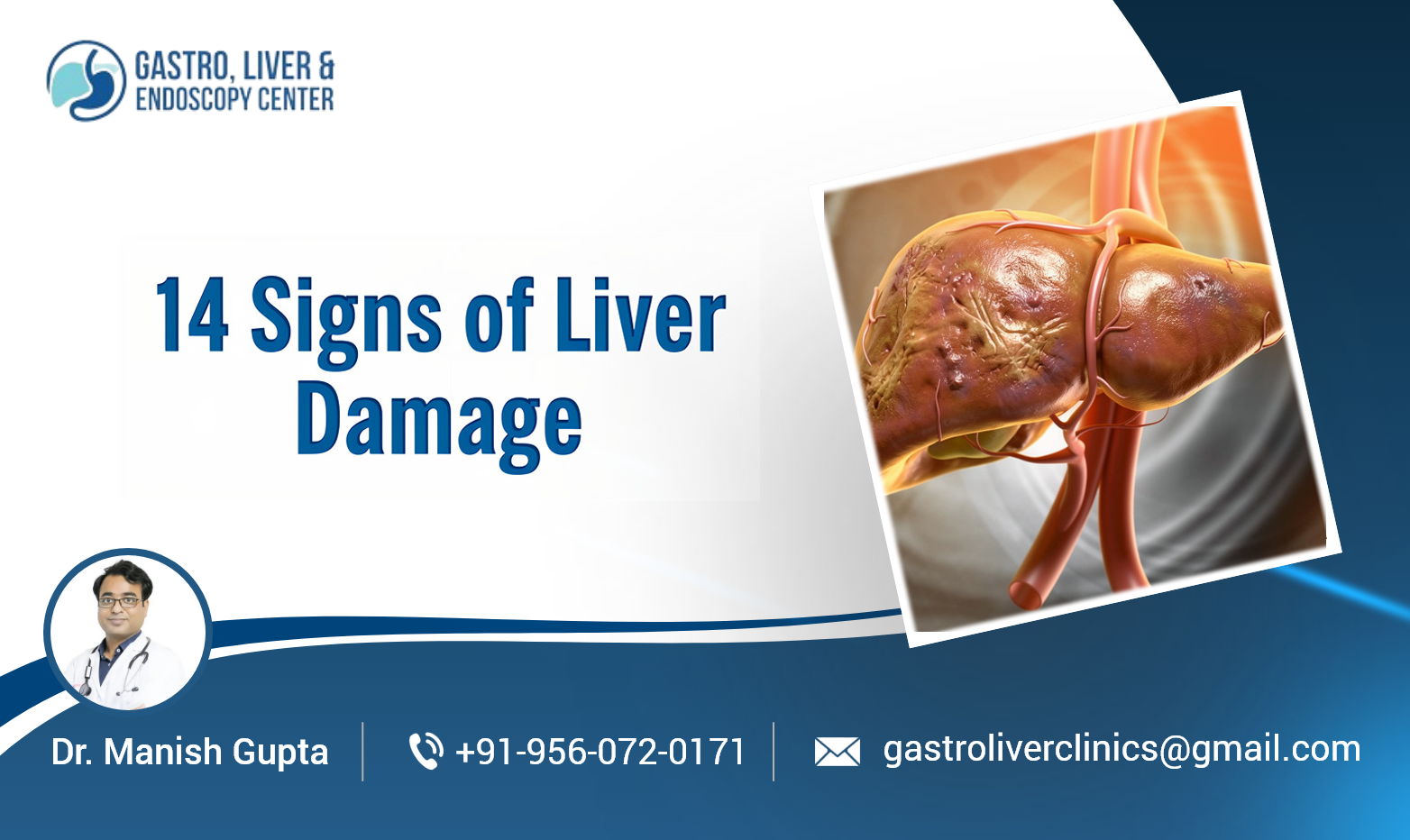
The liver is one of the most important organs in the human body. It plays a vital role in digestion, metabolism, detoxification, nutrient storage, and protein production. It also helps remove harmful substances from the blood and supports several essential body functions.
However, when the liver becomes damaged due to infections, excessive alcohol consumption, fatty liver disease, certain medications, or other medical conditions, its normal functioning can gradually deteriorate.
For Enquiry

One of the biggest concerns with liver damage is that early symptoms are not always noticeable. Many people may have liver disease for months or even years without experiencing clear warning signs. As the condition progresses, different symptoms may start appearing.
Recognising the 14 signs of liver damage can help you understand when something may be wrong with your liver and when to seek medical attention.
In this blog, we will discuss the common symptoms of liver damage, their possible causes, and when you should consult a gastroenterologist.
What is Liver Damage?
Liver damage occurs when liver cells become injured due to infections, inflammation, fat accumulation, alcohol, medications, or other health conditions.
If the injury continues over time, it may lead to chronic liver disease, fibrosis (scarring), or cirrhosis (advanced scarring of the liver).
Some common conditions that can cause liver damage include:
- Fatty liver disease (MASLD).
- Alcohol-related liver disease.
- Hepatitis B and Hepatitis C infections.
- Autoimmune hepatitis.
- Liver fibrosis and cirrhosis.
- Certain medications and drug-related liver injury.
Early diagnosis and appropriate treatment can help prevent further liver damage in many cases.
14 Signs of Liver Damage You Should Never Ignore
Liver damage can affect different parts of the body because the liver performs several important functions. Below are 14 common signs and symptoms that may indicate an underlying liver problem.
1. Yellowing of the Skin and Eyes (Jaundice)
Jaundice is one of the most recognisable signs of liver-related problems. It occurs when bilirubin, a yellow pigment produced during the breakdown of red blood cells, builds up in the bloodstream.
A damaged liver may struggle to process and remove bilirubin effectively.
Common symptoms include:
- Yellowing of the skin.
- Yellowing of the white part of the eyes.
- Dark-coloured urine.
- Pale or clay-coloured stools.
Jaundice can occur due to hepatitis, liver damage, or bile duct obstruction. New-onset jaundice requires prompt medical evaluation.
2. Persistent Fatigue and Weakness
Feeling tired occasionally is normal, but persistent fatigue without an obvious reason may sometimes be associated with liver disease.
When the liver is not functioning properly, metabolic processes can become disrupted. Chronic liver disease may also affect sleep, nutrition, and energy levels.
You may experience:
- Constant tiredness.
- Lack of energy throughout the day.
- Difficulty performing daily activities.
- General weakness despite adequate rest.
Fatigue alone does not confirm liver damage, but persistent unexplained tiredness should not be ignored.
3. Swelling in the Abdomen (Ascites)
Abdominal swelling can develop when fluid accumulates inside the abdominal cavity. This condition is known as ascites and is commonly associated with advanced liver disease and cirrhosis.
It can occur due to increased pressure in the blood vessels around the liver and changes in fluid-regulating proteins and hormones.
Possible symptoms include:
- Noticeably enlarged abdomen.
- Feeling of heaviness or tightness in the stomach.
- Rapid increase in abdominal size.
- Difficulty breathing when fluid accumulation becomes severe.
New abdominal swelling, particularly in someone with known liver disease, needs medical assessment.
4. Swelling in the Legs, Ankles, and Feet
Liver damage can sometimes cause fluid retention in different parts of the body.
When the liver produces insufficient albumin, a protein that helps maintain fluid balance in blood vessels, fluid may accumulate in surrounding tissues.
Common signs include:
- Swollen ankles.
- Puffy feet.
- Swelling in the lower legs.
- Indentation in the skin after pressing the swollen area.
This condition is called peripheral oedema and may occur in people with advanced liver disease.
5. Dark-Coloured Urine
Changes in urine colour can sometimes indicate a liver or bile-related problem.
When bilirubin levels increase in the bloodstream, excess bilirubin may pass into the urine, making it appear darker than usual.
You may notice:
- Tea-coloured urine.
- Brownish urine.
- Dark urine even when you are drinking enough water.
Dark urine can have other causes, including dehydration and certain medications. However, if it occurs with jaundice or pale stools, consult a doctor promptly.
6. Pale or Clay-Coloured Stools
Healthy stools generally have a brown colour because of bile pigments released into the digestive tract.
When bile flow from the liver to the intestine becomes reduced or blocked, stools may become unusually pale, grey, or clay-coloured.
This may happen due to:
- Bile duct obstruction.
- Certain liver diseases.
- Gallstones blocking the bile duct.
- Advanced liver-related conditions.
Persistent pale stools, particularly when accompanied by dark urine or yellow eyes, require medical evaluation.
7. Persistent Itching (Pruritus)
Unexplained itching throughout the body can sometimes be associated with liver and bile duct disorders.
In certain cholestatic liver conditions, substances such as bile acids accumulate in the body and contribute to itching.
Common symptoms include:
- Itching without a visible rash.
- Increased itching at night.
- Itching on the palms and soles.
- Persistent discomfort despite using moisturisers.
Not all itching is related to liver disease. Skin conditions, allergies, and other medical problems can also cause similar symptoms.
8. Loss of Appetite
A damaged liver may affect digestion, metabolism, and overall nutritional health.
Some people with liver disease experience reduced appetite and may gradually lose interest in food.
You may notice:
- Feeling full after eating small amounts.
- Reduced interest in meals.
- Nausea while eating.
- Unintentional weight loss.
Persistent appetite loss should be investigated, especially when accompanied by fatigue, abdominal discomfort, or jaundice.
9. Nausea and Vomiting
Frequent nausea and vomiting may sometimes occur in people with liver disease.
Liver inflammation and associated digestive disturbances can contribute to these symptoms.
Possible warning signs include:
- Feeling sick frequently.
- Vomiting after meals.
- Reduced tolerance for certain foods.
- Persistent digestive discomfort.
However, nausea and vomiting are common symptoms with many possible causes. They should not automatically be considered signs of liver damage.
10. Pain or Discomfort in the Upper Right Abdomen
The liver is located in the upper-right portion of the abdomen, just beneath the rib cage.
Liver inflammation or enlargement may sometimes cause discomfort in this area.
You may experience:
- Dull pain beneath the right ribs.
- A feeling of pressure in the upper abdomen.
- Discomfort after eating.
- Tenderness in the upper-right abdominal region.
Persistent pain in this area should be evaluated because gallbladder, stomach, and other abdominal conditions can produce similar symptoms.
11. Easy Bruising and Frequent Bleeding
The liver produces several proteins known as clotting factors, which help blood clot after an injury.
When liver function becomes significantly impaired, the production of these proteins may decrease, increasing the risk of bleeding.
Possible symptoms include:
- Frequent unexplained bruises.
- Bleeding gums.
- Frequent nosebleeds.
- Bleeding for longer than usual after minor cuts.
Easy bruising can have several causes, but unexplained or frequent bleeding requires medical attention.
12. Spider-Like Blood Vessels on the Skin
Spider angiomas are small, visible blood vessels that appear close to the surface of the skin.
They typically have a central red spot with small blood vessels spreading outward, resembling a spider’s web.
They may appear on:
- The face.
- The neck.
- The upper chest.
- The shoulders.
Multiple spider angiomas can sometimes be associated with chronic liver disease, particularly cirrhosis. However, they can also occur in healthy individuals.
13. Muscle Loss and Unexplained Weight Loss
Chronic liver disease can affect how the body processes proteins and nutrients.
As the condition progresses, some people may experience muscle wasting, also known as sarcopenia.
Common signs include:
- Reduced muscle strength.
- Thinner arms and legs.
- Unintentional weight loss.
- Reduced physical stamina.
Muscle loss can be an important sign of advanced liver disease and should be evaluated by a healthcare professional.
14. Confusion, Memory Problems, and Difficulty Concentrating
In advanced liver disease, harmful substances such as ammonia may accumulate in the bloodstream and affect brain function.
This condition is known as hepatic encephalopathy.
Its symptoms may include:
- Difficulty concentrating.
- Forgetfulness.
- Confusion.
- Changes in sleep patterns.
- Unusual behaviour.
- Drowsiness or reduced alertness.
Severe hepatic encephalopathy can cause unconsciousness and is a medical emergency. Sudden confusion or difficulty waking someone requires immediate emergency medical care.
What Are the Main Causes of Liver Damage?
Liver damage can develop gradually or occur suddenly, depending on its underlying cause. Some of the most common causes include:
- Fatty Liver Disease: Excess fat accumulation in liver cells can cause inflammation and, in some people, progressive scarring.
- Excessive Alcohol Consumption: Long-term heavy alcohol use can damage liver cells and lead to alcoholic hepatitis and cirrhosis.
- Viral Hepatitis: Hepatitis B and C infections can cause long-term inflammation and liver damage.
- Obesity and Diabetes: Excess body weight, insulin resistance, and type 2 diabetes increase the risk of metabolic dysfunction-associated steatotic liver disease (MASLD).
- Certain Medications: Some prescription medicines, over-the-counter drugs, and herbal products can cause liver injury.
- Autoimmune Liver Diseases: Conditions such as autoimmune hepatitis can cause the immune system to attack healthy liver cells.
How Is Liver Damage Diagnosed?
If you experience symptoms associated with liver damage, a gastroenterologist may recommend specific tests to evaluate your liver health.
The following investigations may be suggested depending on your symptoms and medical history:
1. Liver Function Test (LFT)
A liver function test is a blood test used to evaluate different markers associated with liver health.
It may include:
- ALT (Alanine Aminotransferase).
- AST (Aspartate Aminotransferase).
- ALP (Alkaline Phosphatase).
- Bilirubin.
- Albumin.
- Total protein.
These results help doctors identify possible liver injury and assess certain aspects of liver function.
2. Ultrasound of the Abdomen
An abdominal ultrasound uses sound waves to examine the liver and surrounding organs.
It can help identify:
- Fat accumulation in the liver.
- Liver enlargement.
- Certain structural abnormalities.
- Fluid accumulation in the abdomen.
- Some signs of advanced liver disease.
3. FibroScan Test
A FibroScan is a non-invasive test used to assess liver stiffness and estimate liver fibrosis. It can also measure fat accumulation in the liver using a parameter called Controlled Attenuation Parameter (CAP).
It is particularly useful for evaluating patients with suspected fatty liver disease and monitoring liver health when clinically indicated.
4. Viral Hepatitis Tests
Blood tests for Hepatitis B and Hepatitis C may be recommended to identify viral infections that can cause liver damage.
5. Liver Biopsy
In selected cases, a doctor may recommend a liver biopsy to examine a small sample of liver tissue under a microscope. It can help identify inflammation, fibrosis, and certain liver diseases when other investigations are insufficient.
Important: No single test can diagnose every type or stage of liver damage. Your doctor will select appropriate investigations based on your medical history, examination, and test results. Even liver blood tests alone cannot always determine the extent of liver damage.
When Should You See a Gastroenterologist?
You should consult a gastroenterologist if you experience persistent or unexplained symptoms such as:
- Yellowing of the eyes or skin.
- Persistent fatigue and weakness.
- Unexplained weight loss.
- Repeated abdominal discomfort.
- Persistent itching.
- Dark urine and pale stools.
- Swelling in the abdomen or legs.
Medical emergency
Seek immediate medical attention if you experience vomiting blood, black tarry stools, sudden confusion, severe drowsiness, or severe abdominal pain with fever. These symptoms may indicate serious liver-related complications.
How Can You Prevent Liver Damage?
Although not all liver diseases are preventable, certain lifestyle habits can help protect your liver and reduce the risk of further damage.
Here are some practical steps:
- Maintain a Healthy Weight: Follow a balanced diet and engage in regular physical activity to reduce excess fat accumulation in the liver.
- Avoid Alcohol: Avoiding alcohol is particularly important if you have liver disease.
- Eat a Balanced Diet: Include vegetables, fruits, whole grains, legumes, and healthy protein sources in your daily meals.
- Limit Processed Foods: Reduce sugary drinks, excess added sugar, and highly processed foods.
- Get Vaccinated: Hepatitis A and B vaccination may help protect against these infections where appropriate.
- Avoid Self-Medication: Do not take unnecessary medicines, herbal supplements, or high doses of painkillers without medical advice.
- Exercise Regularly: Aim for at least 150 minutes of moderate-intensity physical activity per week, if suitable for your health.
- Get Regular Health Check-ups: If you have diabetes, obesity, fatty liver disease, or a history of hepatitis, discuss appropriate liver health monitoring with your doctor.
Conclusion
Liver damage can develop silently, and noticeable symptoms may appear only when the condition has progressed. Signs such as jaundice, persistent fatigue, abdominal swelling, dark urine, pale stools, itching, and unexplained weight loss should not be ignored.
Early diagnosis can help identify the underlying cause and allow appropriate treatment before further complications develop.
If you are experiencing symptoms of liver damage, consult an experienced gastroenterologist for proper evaluation and guidance.
At Gastro Liver & Endoscopy Center, Dr. Manish Kumar Gupta provides specialised care for digestive and liver disorders, including fatty liver disease, hepatitis, liver fibrosis, and cirrhosis. Appropriate diagnostic facilities, including FibroScan and other liver investigations, can help assess liver health and guide further management.
Frequently Asked Questions (FAQs)
1. What are the first signs of liver damage?
Early signs may include persistent fatigue, weakness, loss of appetite, nausea, unexplained weight loss, and mild discomfort in the upper-right abdomen. However, early liver disease may not cause noticeable symptoms.
2. Can liver damage happen without symptoms?
Yes. Many people with fatty liver disease, chronic hepatitis, or early-stage liver fibrosis may not experience noticeable symptoms. Liver damage can sometimes progress silently.
3. How do I know if my liver is damaged?
A doctor may recommend liver function tests, ultrasound, FibroScan, viral hepatitis screening, or other investigations depending on your symptoms and risk factors.
4. Can liver damage be reversed?
Some forms of liver damage can improve when the underlying cause is identified and treated early. For example, fatty liver associated with metabolic factors may improve with weight management and lifestyle changes. Advanced cirrhosis, however, generally involves permanent scarring, although treatment can help prevent further progression and manage complications.
5. Does fatty liver cause liver damage?
Fatty liver can cause liver inflammation and, in some individuals, progressive fibrosis. If left unmanaged, advanced fibrosis may eventually lead to cirrhosis. However, not everyone with fatty liver develops serious liver damage.
6. Which test is best for detecting liver damage?
There is no single best test for every liver condition. Liver function tests, ultrasound, FibroScan, and other investigations may be used together to evaluate liver health.
7. Can liver damage cause itching?
Yes. Certain liver and bile duct conditions can cause persistent itching due to changes in bile flow and the accumulation of substances associated with cholestasis.
8. Is liver damage always permanent?
No. Some types of liver injury can improve or resolve when the underlying cause is treated. However, advanced cirrhosis involves significant scarring that is generally irreversible.