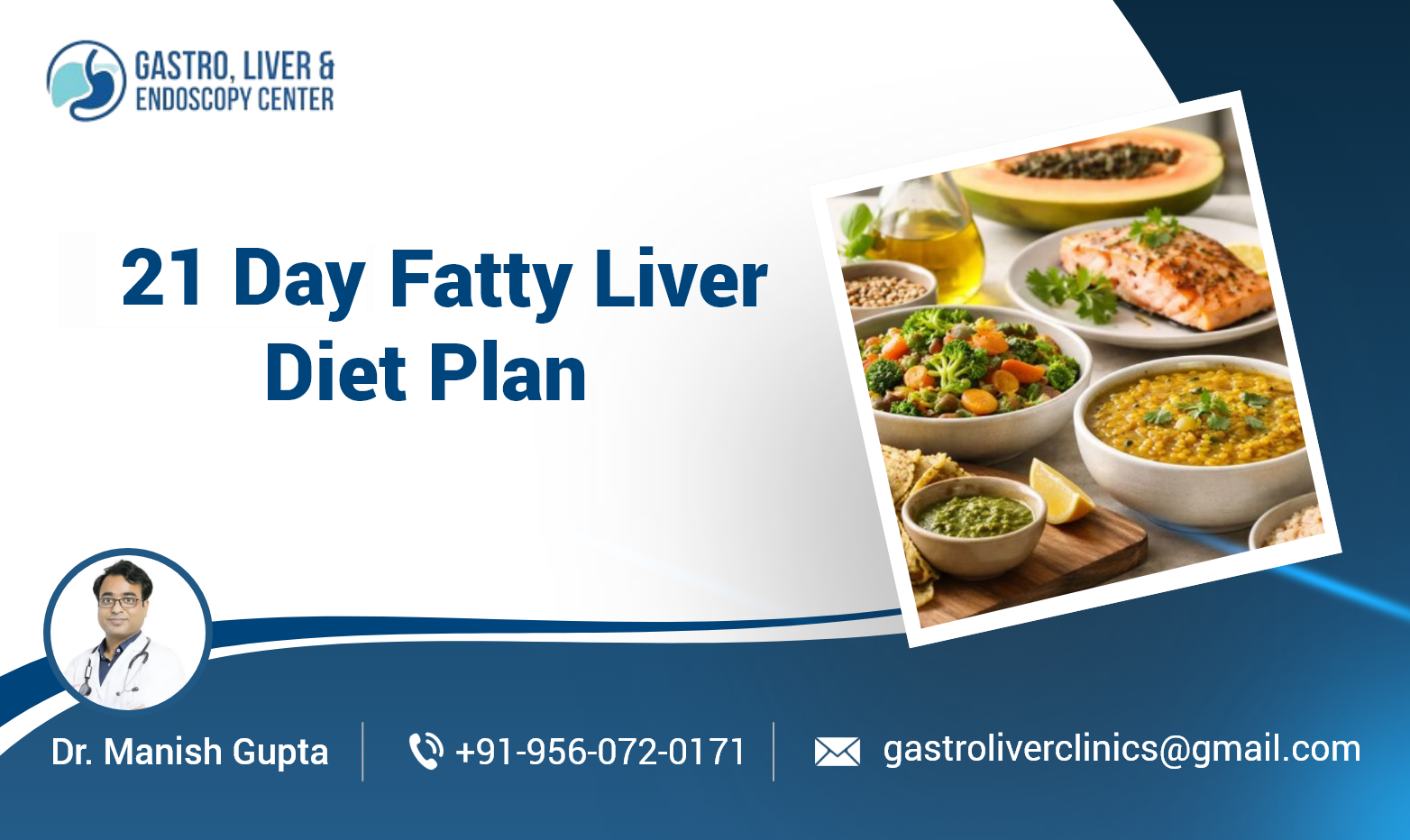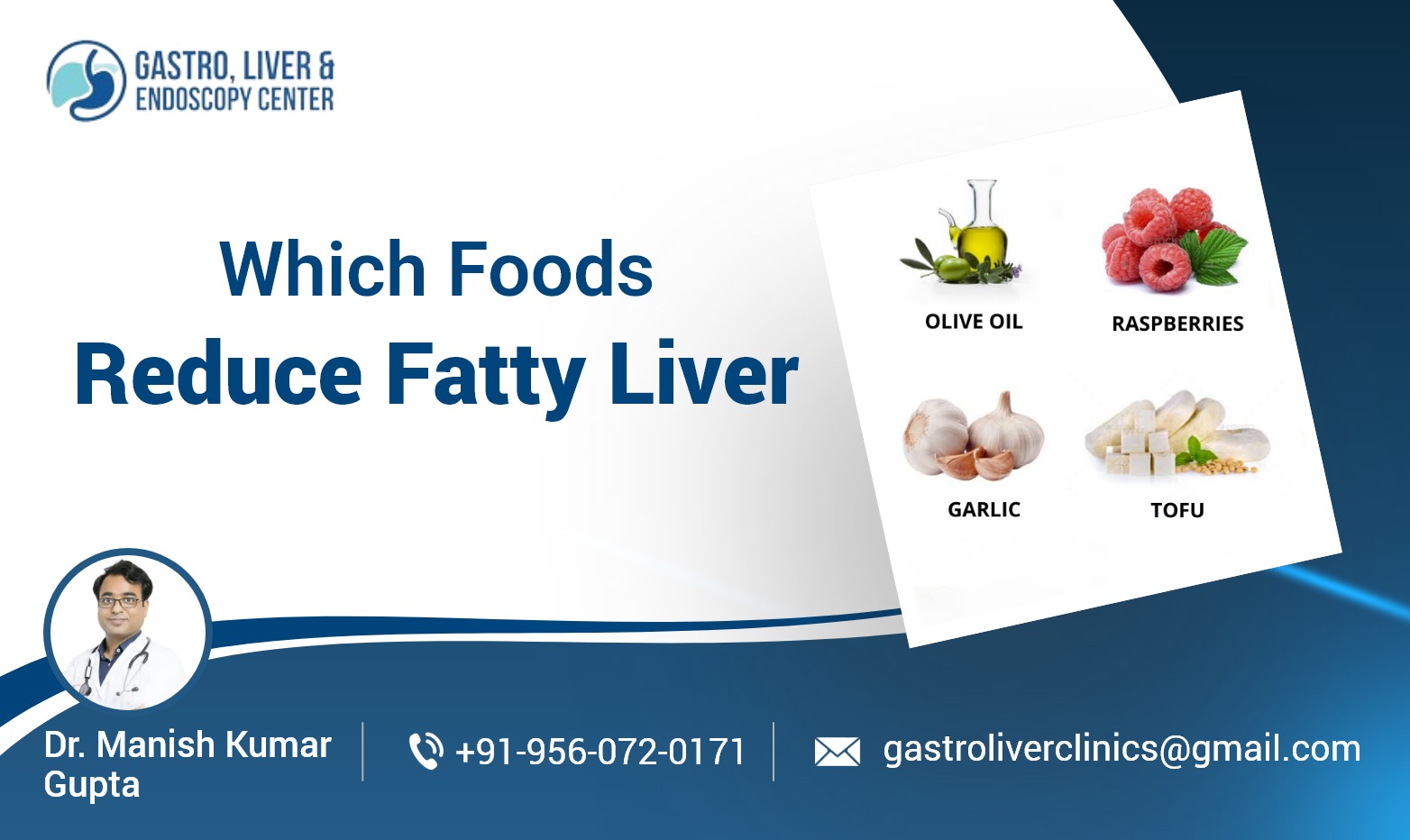
Foods that reduce fatty liver include leafy greens, fatty fish, olive oil, coffee, garlic, green tea, walnuts, berries, avocado, and oatmeal. These foods work by reducing liver fat, inflammation, and oxidative stress — the three core drivers of non-alcoholic fatty liver disease (NAFLD).
Fatty liver disease affects approximately 1 in 4 adults worldwide, making it the most common liver condition globally. The good news? Diet is one of the most powerful tools to reverse it — often without medication.
For Enquiry

This guide breaks down exactly which foods reduce fatty liver, the science behind them, what to eat daily, and what to cut out entirely.
What Is Fatty Liver Disease?
Fatty liver disease (medically called non-alcoholic fatty liver disease or NAFLD) occurs when excess fat builds up in liver cells. It ranges from:
- Simple fatty liver (steatosis) — fat accumulation with no inflammation
- NASH (Non-Alcoholic Steatohepatitis) — fat plus inflammation and cell damage
- Liver fibrosis/cirrhosis — advanced scarring of the liver
Early-stage fatty liver is largely reversible through diet and lifestyle changes — which is why food choices matter so much.
10 Best Foods That Reduce Fatty Liver
1. Leafy Green Vegetables (Spinach, Kale, Arugula)
Leafy greens are among the most liver-protective foods you can eat. Research published in the Journal of Gastroenterology found that nitrates in greens like spinach reduce fat accumulation in liver cells.
Why they help:
- Rich in antioxidants that fight oxidative stress in the liver
- High in folate, which supports liver cell repair
- Low in calories — helping reduce overall body fat
How to eat them: Add a large handful of spinach or arugula to every main meal.
2. Fatty Fish (Salmon, Sardines, Mackerel)
Fatty fish are rich in omega-3 fatty acids, particularly EPA and DHA, which are clinically shown to reduce liver fat and inflammation.
Why they help:
- Omega-3s lower triglyceride levels stored in the liver
- Reduce liver enzyme levels (ALT and AST) — key markers of liver damage
- Combat insulin resistance, a root cause of NAFLD
How to eat them: Aim for 2–3 servings per week. Grilled or baked is best — avoid deep-frying.
3. Olive Oil (Extra Virgin)
Extra virgin olive oil (EVOO) is a cornerstone of the Mediterranean diet, which is widely considered the best dietary pattern for fatty liver disease.
Why it helps:
- Contains oleocanthal, a natural anti-inflammatory compound
- Improves insulin sensitivity
- Studies show EVOO reduces liver enzyme levels and liver fat percentage
How to use it: Use it as your primary cooking oil and as a salad dressing base. 2–4 tablespoons daily is the evidence-based range.
4. Coffee (Unsweetened)
Coffee is one of the most researched beverages for liver health. Multiple large-scale studies confirm that regular coffee drinkers have significantly lower rates of liver fibrosis, cirrhosis, and liver cancer.
Why it helps:
- Reduces liver inflammation and fibrosis markers
- Lowers the risk of NAFLD progression to NASH
- Contains chlorogenic acid, a powerful liver-protective antioxidant
How to drink it: 2–3 cups of black or lightly sweetened coffee daily. Avoid sugary coffee drinks which can worsen fatty liver.
5. Garlic
Garlic has been used medicinally for centuries, and modern research backs up its liver benefits. A randomized controlled trial found that garlic supplementation significantly reduced body weight and liver fat in NAFLD patients.
Why it helps:
- Allicin in garlic has potent anti-inflammatory and antioxidant effects
- Reduces liver fat and total cholesterol
- Supports detoxification pathways in the liver
How to eat it: Use 2–3 raw or lightly cooked garlic cloves daily. Raw garlic preserves more allicin.
6. Green Tea
Green tea is packed with catechins, particularly EGCG (epigallocatechin gallate), which have strong liver-protective properties.
Why it helps:
- Reduces liver fat accumulation
- Lowers ALT and AST enzyme levels
- Improves insulin sensitivity and reduces inflammation
How to drink it: 2–4 cups of unsweetened green tea daily. Matcha provides a more concentrated dose of catechins.
7. Walnuts
Walnuts are uniquely beneficial because they contain both omega-3 fatty acids and antioxidants — a powerful combination for liver health.
Why they help:
- Plant-based omega-3s (ALA) support liver fat reduction
- Rich in polyphenols that reduce oxidative stress
- A large PREDIMED study found walnut consumption associated with lower rates of NAFLD
How to eat them: A small handful (about 30g or 7 walnuts) daily as a snack or added to meals.
8. Berries (Blueberries, Strawberries, Raspberries)
Berries are nutritional powerhouses for liver health, packed with anthocyanins — pigments with strong anti-inflammatory and antioxidant activity.
Why they help:
- Protect liver cells from oxidative damage
- Blueberries shown to improve insulin sensitivity in NAFLD patients
- Low in sugar relative to other fruits, making them safe for NAFLD
How to eat them: 1 cup of mixed berries daily, fresh or frozen. Avoid berry juices — they lose fiber and concentrate sugars.
9. Avocado
Avocados contain healthy monounsaturated fats and a unique compound called beta-sitosterol, which helps control blood cholesterol and supports liver function.
Why they help:
- Rich in glutathione, the liver’s master antioxidant
- Help slow liver damage and reduce fatty liver markers
- High in fiber which improves gut health — closely linked to liver health
How to eat them: Half an avocado daily, added to salads, eggs, or eaten with meals.
10. Oatmeal
Oatmeal is an excellent source of beta-glucan, a soluble fiber that improves metabolic markers associated with fatty liver.
Why it helps:
- Beta-glucan lowers blood sugar and improves insulin resistance
- Reduces total cholesterol, which contributes to liver fat
- Keeps you full, supporting healthy weight management
How to eat it: Plain rolled oats for breakfast, cooked with water or low-fat milk. Avoid instant oats with added sugars.
Foods to Avoid With Fatty Liver
Just as important as what you eat is what you eliminate. These foods directly worsen fatty liver:
| Food Category | Why It’s Harmful | Examples |
| Sugary drinks | Fructose is converted directly to liver fat | Soda, packaged juices, energy drinks |
| Refined carbs | Spike insulin and promote fat storage | White bread, white rice, pastries |
| Fried foods | High in trans fats that damage liver cells | Chips, fried chicken, fast food |
| Alcohol | Even moderate drinking worsens NAFLD | Beer, wine, spirits |
| Processed meats | High in saturated fats and sodium | Sausages, hot dogs, deli meats |
| Added sugars | Drive liver fat production (lipogenesis) | Candy, desserts, sweetened sauces |
The Best Diet Pattern for Fatty Liver: Mediterranean Diet
Rather than focusing on single superfoods, the Mediterranean diet is the most evidence-based overall eating pattern for NAFLD. It emphasizes:
- Abundant vegetables and fruits
- Whole grains over refined carbs
- Legumes and nuts
- Olive oil as the primary fat
- Fish 2–3x per week
- Limited red meat
- No sugary beverages
Multiple clinical trials show the Mediterranean diet reduces liver fat, improves liver enzyme levels, and reduces NASH progression.
7-Day Sample Meal Plan for Fatty Liver
Monday
- Breakfast: Oatmeal with blueberries and walnuts
- Lunch: Grilled salmon salad with arugula, avocado, and olive oil dressing
- Dinner: Baked mackerel with steamed broccoli and brown rice
Tuesday
- Breakfast: Green smoothie (spinach, green apple, cucumber, ginger)
- Lunch: Lentil soup with whole grain bread
- Dinner: Stir-fried tofu with kale, garlic, and sesame oil
Wednesday
- Breakfast: Greek yogurt with mixed berries and walnuts
- Lunch: Tuna salad with olive oil, tomatoes, and cucumber
- Dinner: Grilled chicken with roasted vegetables and quinoa
Thursday
- Breakfast: Avocado toast on whole grain bread with a poached egg
- Lunch: Chickpea and spinach curry
- Dinner: Baked salmon with asparagus and sweet potato
Friday
- Breakfast: Overnight oats with chia seeds and raspberries
- Lunch: Mediterranean salad with feta, olives, greens, and olive oil
- Dinner: Sardines on wholegrain crackers with tomato and herbs
Saturday
- Breakfast: Green tea and a walnut-berry smoothie bowl
- Lunch: Lentil and vegetable soup
- Dinner: Grilled fish tacos in lettuce wraps with avocado salsa
Sunday
- Breakfast: Oatmeal with sliced banana and almond butter
- Lunch: Grilled vegetable and hummus wrap
- Dinner: Baked mackerel with roasted garlic, spinach, and brown rice
Key Nutrients for Liver Health
| Nutrient | Why It Helps | Best Sources |
| Omega-3 fatty acids | Reduce liver fat and inflammation | Salmon, sardines, walnuts, flaxseeds |
| Antioxidants (Vitamins C & E) | Protect liver cells from damage | Berries, citrus, almonds, sunflower seeds |
| Fiber | Reduces fat absorption, feeds gut bacteria | Oats, legumes, vegetables, fruits |
| Choline | Supports fat transport out of liver | Eggs, fish, broccoli |
| Polyphenols | Reduce oxidative stress and fibrosis | Coffee, green tea, olive oil, berries |
| Vitamin D | Low levels linked to NAFLD severity | Fatty fish, fortified foods, sunlight |
FAQs:
Q.1 Can fatty liver be reversed with diet alone?
Yes, in many cases. Early-stage fatty liver (simple steatosis) can be fully reversed through dietary changes, exercise, and weight loss. Studies show that losing just 5–10% of body weight significantly reduces liver fat. However, advanced stages like NASH with fibrosis may require medical treatment in addition to dietary changes. Always consult a hepatologist for a proper diagnosis.
Q.2 How long does it take to reduce fatty liver with diet?
Most people see improvements in 3–6 months with consistent dietary changes. Research shows liver fat can begin to reduce within 8–12 weeks of following a liver-healthy diet. Complete reversal may take 6–12 months depending on the severity. Regular monitoring through ultrasound and liver function tests (LFTs) helps track progress.
Q.3 What is the single best food for fatty liver?
There is no single “best” food, but coffee has some of the strongest clinical evidence for liver protection. Multiple large studies show 2–3 cups daily significantly reduces liver fibrosis risk. That said, a pattern of eating — not a single food — is what produces lasting results. The Mediterranean diet as a whole is considered the gold standard.
Q.4 Is rice bad for fatty liver?
White rice in large amounts can worsen fatty liver because it is a refined carbohydrate that quickly raises blood sugar and insulin levels, promoting fat storage in the liver. Brown rice and other whole grains are better choices — they have more fiber, which slows digestion and reduces insulin spikes. Portion control matters even with whole grains.
Q.5 Can I eat eggs if I have fatty liver?
Yes, eggs can be part of a fatty liver diet in moderation. Eggs are rich in choline, a nutrient essential for fat transport out of the liver. However, limit to 1–2 eggs per day if you have elevated cholesterol. The way you cook them matters — boiled or poached is better than fried in butter.
Q.6 Is lemon water good for fatty liver?
Lemon water has modest benefits for liver health. The vitamin C in lemon juice acts as an antioxidant and may support liver detoxification pathways. However, it is not a standalone treatment for fatty liver. Think of it as a healthy addition to a broader liver diet — not a cure. Drinking it first thing in the morning and staying well-hydrated throughout the day supports overall liver function.
Q.7 What drinks are best for fatty liver?
The best drinks for fatty liver are: water, black coffee, unsweetened green tea, herbal teas (especially dandelion root and milk thistle tea), and fresh vegetable juices. Avoid alcohol entirely, as even small amounts can worsen NAFLD. Sugary drinks including fruit juices, sodas, and energy drinks should be eliminated completely.
Q.8 Is banana good for fatty liver?
Bananas are generally safe in moderation for people with fatty liver. They contain fructooligosaccharides (FOS) that support healthy gut bacteria, which in turn helps liver health. However, since they are higher in natural sugars than most fruits, limit to 1 banana per day and pair with protein or healthy fats to slow sugar absorption.
Q.9 Can turmeric help with fatty liver?
Yes, turmeric shows promising benefits for liver health. Curcumin, the active compound in turmeric, has powerful anti-inflammatory and antioxidant effects. Several studies have found curcumin supplementation reduces liver enzymes and liver fat in NAFLD patients. Add turmeric to cooking daily, or take a curcumin supplement with black pepper (piperine) to improve absorption.
Q.10 Does losing weight cure fatty liver?
Weight loss is one of the most effective interventions for fatty liver. Losing 5% of body weight reduces liver fat; losing 7–10% can reverse NASH; and losing more than 10% can reduce liver fibrosis. However, rapid weight loss (crash dieting) can temporarily worsen fatty liver by releasing large amounts of fat into the bloodstream. Aim for a gradual loss of 0.5–1 kg per week through a combination of diet and exercise.
When to See a Doctor
Diet can do a great deal, but certain situations require professional medical assessment:
- You have been diagnosed with NAFLD or NASH
- Your liver enzyme levels (ALT, AST) are persistently elevated
- You experience symptoms like upper right abdominal pain, fatigue, or jaundice
- You have diabetes, obesity, or metabolic syndrome alongside fatty liver
- You want to rule out other liver conditions such as autoimmune hepatitis or hemochromatosis
A gastroenterologist or hepatologist can perform imaging (ultrasound, FibroScan) and blood tests to accurately stage your condition and guide your treatment plan.
Summary: Key Takeaways
- Fatty liver is largely reversible through diet, especially in its early stages
- The top foods to eat are leafy greens, fatty fish, olive oil, coffee, garlic, green tea, walnuts, berries, avocado, and oatmeal
- The Mediterranean diet is the most evidence-based eating pattern for NAFLD
- Eliminate sugary drinks, refined carbs, fried foods, alcohol, and processed meats
- Losing 5–10% of body weight is one of the most powerful interventions
- Consistent dietary changes over 3–6 months can significantly improve liver health
- Always combine diet with exercise and regular medical monitoring