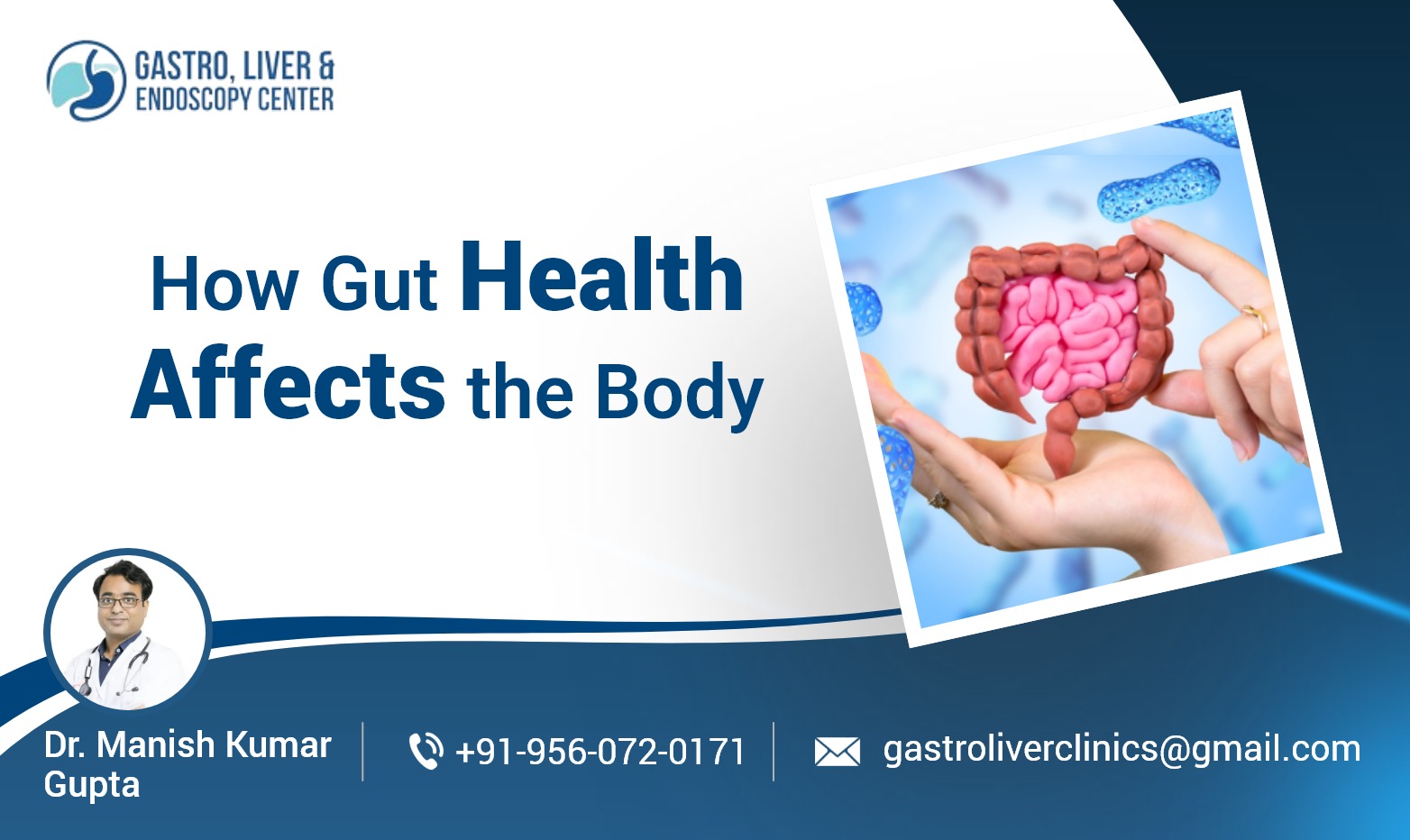
The gut plays a much larger role in your health than simply digesting food. Often referred to as the body’s “second brain,” the gut contains trillions of microorganisms that influence digestion, immunity, mental health, metabolism, and overall well-being. Maintaining a healthy gut is essential for keeping your body functioning optimally.
What Is Gut Health?
Gut health refers to the balance and function of microorganisms living in the digestive tract, collectively known as the gut microbiome. A healthy gut contains a diverse population of beneficial bacteria, fungi, and other microbes that help digest food, absorb nutrients, and protect against harmful pathogens.
For Enquiry

When this balance is disrupted, it can lead to digestive issues and affect various systems throughout the body.
How Gut Health Affects Digestion
One of the primary functions of the gut is breaking down food and absorbing nutrients. Healthy gut bacteria assist in digesting complex carbohydrates, producing essential vitamins, and supporting nutrient absorption.
Poor gut health can contribute to:
- Bloating
- Gas
- Constipation
- Diarrhea
- Acid reflux
- Irritable bowel syndrome (IBS)
A balanced gut microbiome helps maintain smooth digestive function and reduces the risk of gastrointestinal disorders.
The Connection Between Gut Health and Immunity
Approximately 70% of the immune system resides in the gut. Beneficial bacteria help train immune cells to recognize harmful invaders while preventing unnecessary inflammation.
An unhealthy gut may weaken immune defenses, making individuals more susceptible to infections and chronic inflammatory conditions. Maintaining gut health can help strengthen immunity and improve the body’s ability to fight disease.
Gut Health and Mental Well-Being
The gut and brain communicate through a network known as the gut-brain axis. Gut bacteria produce neurotransmitters such as serotonin, dopamine, and gamma-aminobutyric acid (GABA), which influence mood and emotional health.
Research suggests that poor gut health may be linked to:
- Anxiety
- Depression
- Stress
- Brain fog
- Sleep disturbances
A healthy gut microbiome may contribute to better mental clarity, emotional balance, and overall psychological well-being.
Impact on Weight Management and Metabolism
Gut bacteria play a role in regulating metabolism, appetite, and fat storage. Certain beneficial microbes help process nutrients efficiently and support healthy body weight.
An imbalance in gut bacteria may contribute to:
- Weight gain
- Obesity
- Insulin resistance
- Type 2 diabetes
Improving gut health through proper nutrition can support healthy metabolism and weight management.
Gut Health and Heart Health
The gut microbiome can influence cardiovascular health by affecting cholesterol levels, blood pressure, and inflammation. Some gut bacteria produce compounds that support heart function, while an unhealthy microbiome may contribute to cardiovascular risk factors.
A healthy gut may help reduce inflammation and support long-term heart health.
Signs of Poor Gut Health
Common symptoms that may indicate an unhealthy gut include:
- Frequent bloating
- Digestive discomfort
- Food intolerances
- Fatigue
- Frequent infections
- Skin problems
- Mood changes
- Difficulty concentrating
If these symptoms persist, consulting a healthcare professional is recommended.
How to Improve Gut Health
Eat More Fiber
Fiber-rich foods feed beneficial gut bacteria and promote digestive health. Include fruits, vegetables, legumes, and whole grains in your diet.
Consume Probiotic Foods
Foods such as yogurt, kefir, kimchi, sauerkraut, and fermented vegetables contain beneficial bacteria that support gut balance.
Include Prebiotic Foods
Prebiotics nourish good bacteria in the gut. Common sources include garlic, onions, bananas, asparagus, and oats.
Stay Hydrated
Drinking sufficient water supports digestion and helps maintain a healthy gut environment.
Manage Stress
Chronic stress can negatively impact the gut microbiome. Practices such as meditation, exercise, and adequate sleep can help.
Limit Processed Foods
Highly processed foods, excessive sugar, and unhealthy fats may disrupt gut bacteria and contribute to inflammation.
Conclusion
Gut health affects nearly every aspect of the body, from digestion and immunity to mental health and metabolism. A healthy gut microbiome supports overall wellness and may help reduce the risk of various health conditions. By adopting healthy dietary and lifestyle habits, you can promote a balanced gut and improve your long-term health.
FAQs:
1. What is gut health?
Gut health refers to the balance of microorganisms in the digestive tract that support digestion, immunity, and overall well-being.
2. How does gut health affect the immune system?
A large portion of the immune system is located in the gut. Healthy gut bacteria help regulate immune responses and protect against infections.
3. Can poor gut health affect mental health?
Yes. The gut and brain are closely connected, and imbalances in gut bacteria may contribute to anxiety, depression, and mood disorders.
4. What foods improve gut health?
Fiber-rich foods, probiotic foods like yogurt, and prebiotic foods such as garlic, onions, and bananas can support gut health.
5. How can I tell if my gut is unhealthy?
Common signs include bloating, constipation, diarrhea, fatigue, food intolerances, and frequent illness.
6. Can gut health influence weight gain?
Yes. The gut microbiome plays a role in metabolism, appetite regulation, and fat storage, which can affect body weight.
7. Are probiotics beneficial for gut health?
Probiotics can help restore healthy bacteria in the gut and support digestive and immune health when used appropriately.
8. How long does it take to improve gut health?
Positive changes may begin within a few weeks of adopting healthier eating and lifestyle habits, although long-term consistency is important.