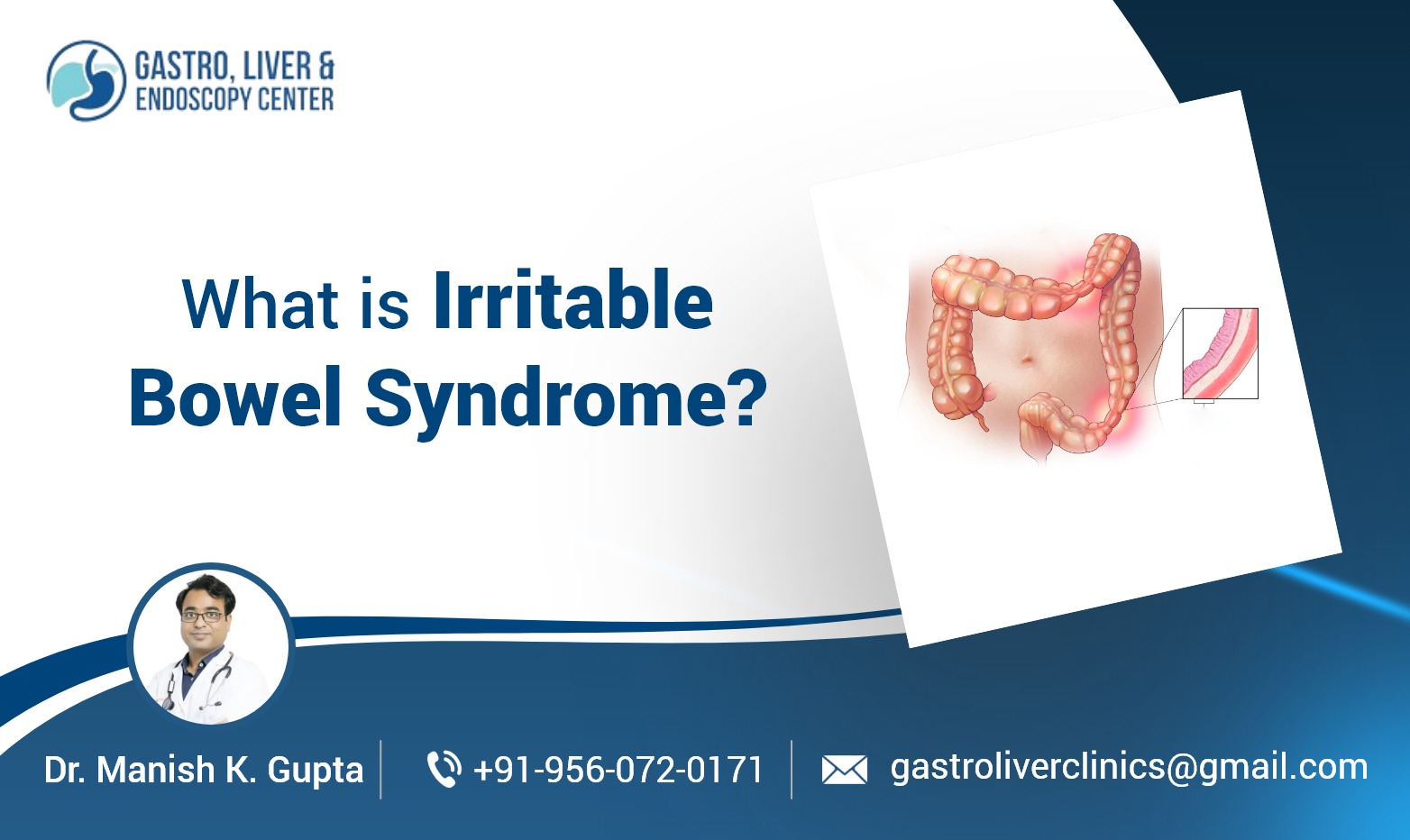
Irritable Bowel Syndrome, or IBS, is a chronic gut-brain interaction disorder characterized by abdominal pain and changes in bowel habits without structural damage to the intestines. It impacts the large intestine, leading to symptoms like cramping, bloating, diarrhea, or constipation that persist for at least six months. Unlike more serious conditions, IBS doesn’t increase colon cancer risk or cause inflammation.
Common Symptoms
Key symptoms include recurrent abdominal pain or discomfort, often relieved by bowel movements, alongside bloating and altered stool patterns. Patients may experience diarrhea (IBS-D), constipation (IBS-C), mixed patterns (IBS-M), or unclassified types, with additional issues like gas or incomplete evacuation. Symptoms typically worsen with stress or certain foods.
For Enquiry

Causes and Triggers
The exact cause remains unclear, but factors like gut sensitivity, muscle contractions in the bowel, infections, and gut microbiome imbalances play roles. Stress exacerbates symptoms via the gut-brain axis, while triggers include dairy, spicy foods, caffeine, or gluten in sensitive individuals. Family history and post-infectious changes may also contribute.
Diagnosis Process
Doctors diagnose IBS using symptom criteria like Rome IV, requiring pain at least one day per week for three months, linked to defecation or stool changes. Tests rule out conditions like celiac disease or inflammatory bowel disease, including blood work, stool tests, or colonoscopy if alarm symptoms (weight loss, bleeding) appear. No single test confirms IBS; it’s often a process of exclusion.
Treatment Options
Management focuses on symptom relief through diet (low FODMAP), fiber supplements, antispasmodics, or laxatives/stool softeners as needed. Probiotics, peppermint oil, and stress reduction via yoga or therapy help many, while severe cases may use prescription meds like rifaximin or antidepressants. Lifestyle tweaks, like regular exercise, often yield the best results.
Dietary Tips
A low FODMAP diet—avoiding fermentable carbs in onions, garlic, and wheat—reduces bloating for up to 75% of patients. Increase soluble fiber gradually, stay hydrated, and limit triggers like alcohol or fatty foods. Smaller, frequent meals prevent overload on the gut.
Lifestyle Changes
Regular physical activity eases symptoms by improving gut motility and reducing stress. Techniques like mindfulness or cognitive behavioral therapy target the gut-brain link. Adequate sleep and meal timing also stabilize bowel function.
When to See a Doctor
Seek medical help for severe pain, unexplained weight loss, rectal bleeding, or symptoms starting after age 50. Persistent changes despite lifestyle adjustments warrant evaluation to exclude other issues.
FAQs:
1. Is IBS curable?
No, IBS is chronic but manageable with lifestyle and treatments; symptoms often improve over time.
2. Does stress cause IBS?
Stress doesn’t cause it but worsens symptoms via the gut-brain connection.
3. Can diet cure IBS?
Diet like low FODMAP helps control symptoms but doesn’t cure; it’s part of holistic management.
4. Is IBS dangerous?
No, it doesn’t damage the gut or raise cancer risk, though it affects quality of life.
5. Who gets IBS?
It affects 10-15% globally, more women, often starting before age 50.
6. Can IBS lead to other diseases?
Rarely; it may coexist with fibromyalgia or migraines but doesn’t progress to IBD.
7. Are probiotics effective?
Some strains reduce bloating and pain; results vary by individual.
8. How is IBS different from IBD?
IBS has no inflammation or damage; IBD (Crohn’s, colitis) does.
9. Can exercise help IBS?
Yes, it promotes regularity and cuts stress-related flares.
1O. What foods trigger IBS?
Common ones: beans, dairy, caffeine, artificial sweeteners; track personally.