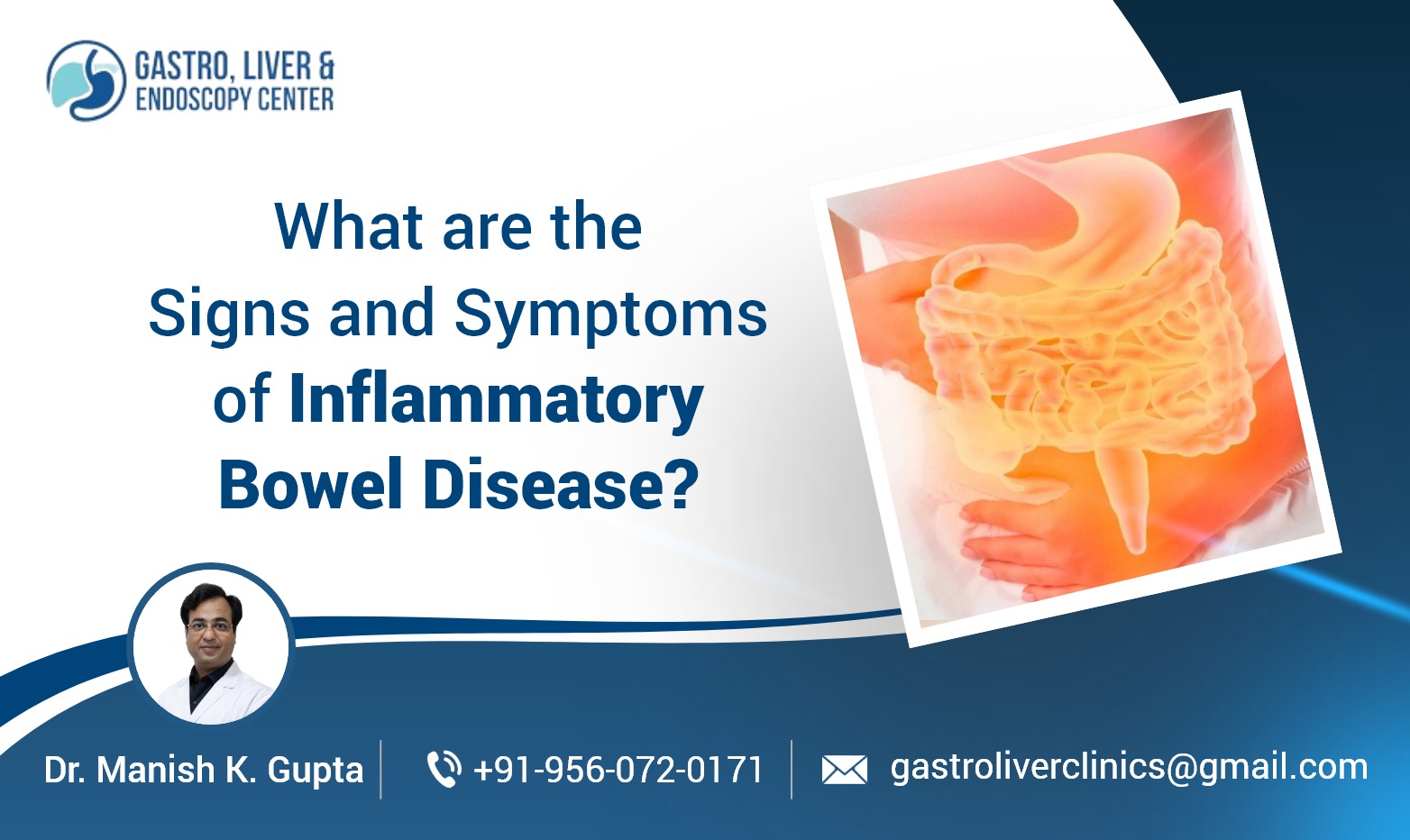
Inflammatory Bowel Disease (IBD) is a chronic condition that affects millions of people worldwide, characterized by inflammation of the gastrointestinal tract. Understanding the signs and symptoms of IBD is crucial for early diagnosis and effective management. At the Gastro, Liver & Endoscopy Center, led by the esteemed Dr. Manish Gupta, we aim to raise awareness about IBD to ensure that individuals recognize these symptoms early and seek the appropriate care.
What is Inflammatory Bowel Disease?
IBD primarily includes two main types: Crohn’s disease and ulcerative colitis. Both conditions lead to chronic inflammation, but they affect different parts of the gastrointestinal tract. Crohn’s disease can occur anywhere from the mouth to the anus, while ulcerative colitis is limited to the colon and rectum.
For Enquiry

Common Signs and Symptoms
Recognizing the symptoms of IBD is essential for timely intervention. Here are some common signs to watch for:
1. Abdominal Pain and Cramping
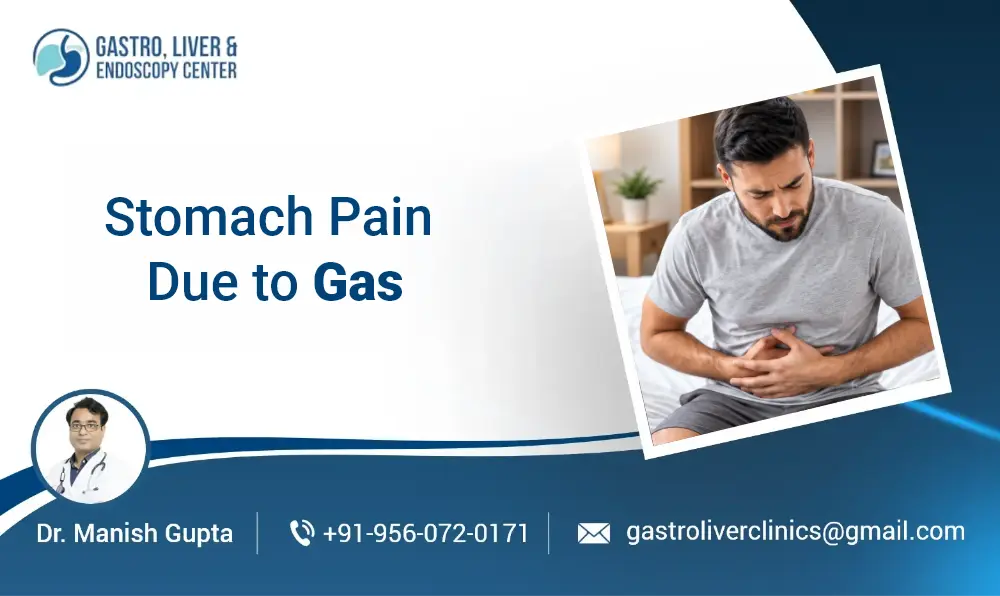
Persistent abdominal pain or cramping is one of the hallmark symptoms of IBD. Patients may experience discomfort that varies in intensity and can often be relieved after bowel movements. If you find yourself frequently clutching your abdomen or feeling cramps, it’s essential to consult a specialist.
2. Diarrhea
Chronic diarrhea is another prevalent symptom of IBD. It may be accompanied by urgency, making it difficult to control bowel movements. Some patients also report diarrhea with blood or mucus, which should never be ignored.
3. Fatigue
Living with IBD can be exhausting. Chronic inflammation and nutrient malabsorption can lead to fatigue that doesn’t improve with rest. If you find yourself unusually tired despite adequate sleep, it’s time to seek medical advice.
4. Weight Loss
Unintended weight loss can be a significant concern for individuals with IBD. Reduced appetite, diarrhea, and malabsorption contribute to this weight loss. If you notice a drop in weight without trying, consult your healthcare provider.
5. Rectal Bleeding
Seeing blood in your stool can be alarming. Rectal bleeding may indicate severe inflammation or ulceration in the intestinal lining. This symptom should always prompt immediate medical evaluation.
6. Changes in Bowel Habits
If you experience changes in bowel habits, such as alternating between diarrhea and constipation, it may signal underlying IBD. These fluctuations can lead to increased discomfort and complications.
7. Extraintestinal Symptoms
IBD can also manifest outside the gastrointestinal tract. Symptoms such as joint pain, skin rashes, and eye inflammation may occur, indicating that the disease is affecting your overall health.
When to See a Doctor
If you experience any combination of these symptoms, it’s essential to consult a healthcare professional. At the Gastro, Liver & Endoscopy Center, Dr. Manish Gupta emphasizes the importance of early diagnosis. As one of the Best Endoscopy Center in Delhi, we provide comprehensive evaluations for patients with suspected IBD.
Diagnosis of IBD
Diagnosing IBD typically involves a combination of medical history, physical examinations, laboratory tests, and imaging studies. Here are some common diagnostic procedures:
- Colonoscopy: This is one of the most effective methods for diagnosing IBD. As the Best Colonoscopy Centre in Ghaziabad, we perform thorough colonoscopies that allow for direct visualization of the colon and small intestine, as well as the collection of tissue samples for biopsy.
- Blood Tests: Blood tests can help identify signs of inflammation, anemia, and other underlying issues associated with IBD.
- Imaging Studies: Advanced imaging techniques like MRI or CT scans may be used to assess the extent of the disease and check for complications.
Treatment Options
While there is currently no cure for IBD, effective treatment can help manage symptoms and improve quality of life. Treatment options may include:
- Medications: Anti-inflammatory drugs, immunosuppressants, and biologics can help control inflammation and reduce symptoms.
- Dietary Changes: Certain dietary adjustments may alleviate symptoms. Working with a nutritionist can provide personalized dietary plans.
- Surgery: In some severe cases, surgical intervention may be necessary to remove damaged sections of the intestine.
Living with IBD
Living with IBD can be challenging, but with proper management and support, individuals can lead fulfilling lives. Regular follow-ups at the Gastro, Liver & Endoscopy Center can help monitor the disease and adjust treatments as needed.