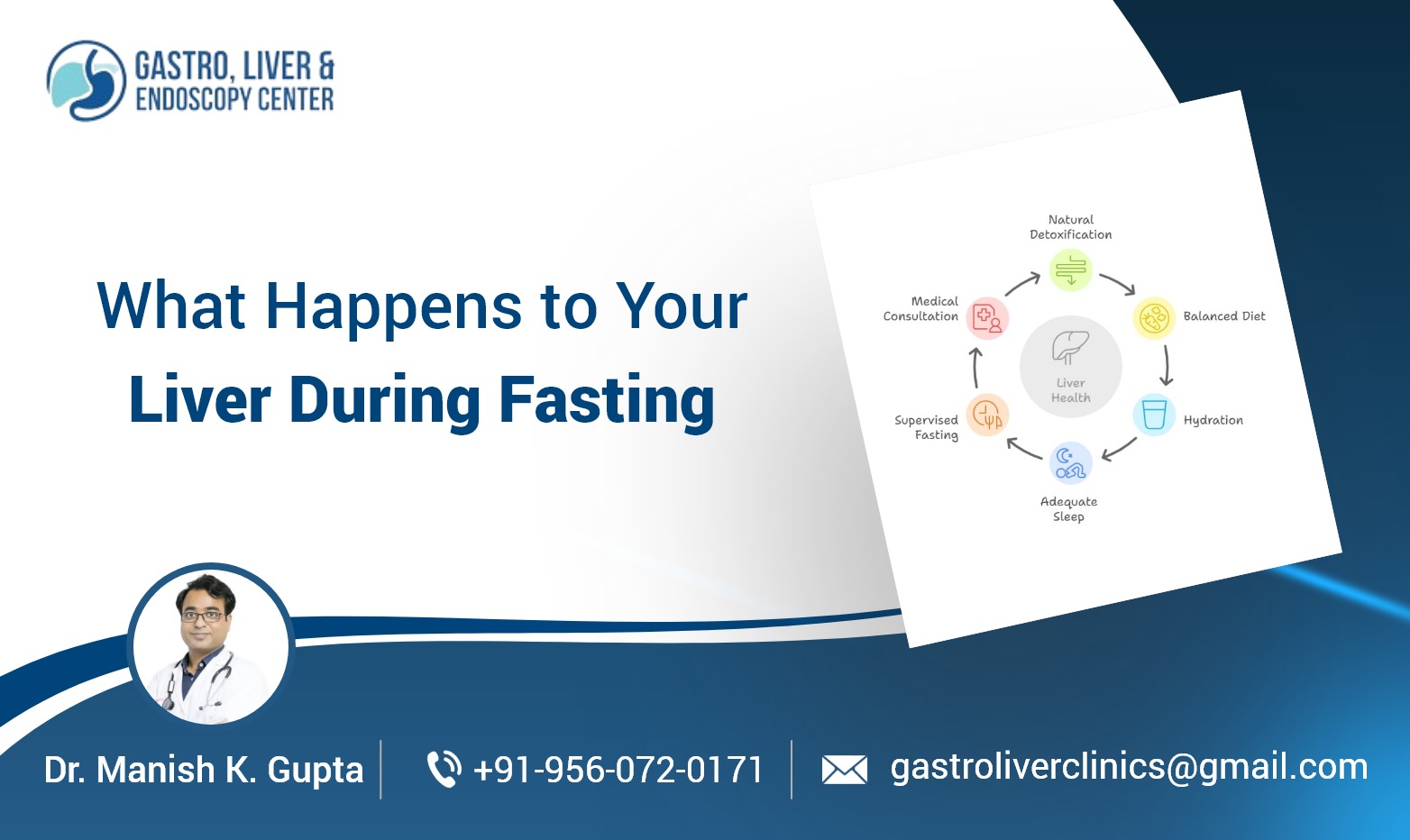
In a world obsessed with constant snacking, fasting is making a comeback—and for good reason. Your liver, the body’s multitasking MVP weighing about 3 pounds and performing over 500 vital functions, becomes the epicenter of this metabolic overhaul. From burning fat to self-repairing cells, fasting triggers profound changes in the liver that can enhance energy, fight disease, and even extend lifespan. If you’re curious about intermittent fasting, water fasting, or longer protocols, this deep dive reveals what’s really happening inside your liver. Backed by science, we’ll explore the timeline, benefits, and tips to do it right.
Hour-by-Hour Breakdown: The Liver’s Fasting Timeline
Fasting isn’t a static state; it’s a dynamic process. Your liver orchestrates it all, adapting to fuel scarcity like a seasoned conductor.
For Enquiry

Phase 1: Glycogen Depletion (0-12 Hours)
As your last meal digests, blood glucose levels begin to dip. The liver, stocked with glycogen (a glucose polymer), steps up immediately through glycogenolysis—breaking it down into usable glucose.
- Pancreas releases glucagon, signaling the liver to release stored energy.
- This keeps your brain fueled, preventing the mid-afternoon slump.
- By 8-12 hours, 50-75% of glycogen is gone, especially if you’re active.
Example: Skip breakfast after dinner at 8 PM, and by noon, your liver has shifted gears. This phase mimics our ancestors’ feast-famine cycles, priming the body for efficiency.
Phase 2: The Fat-Burning Shift to Ketosis (12-48 Hours)
Glycogen tapped out? Enter ketogenesis. The liver converts fatty acids from body fat into ketones like acetoacetate and beta-hydroxybutyrate.
- Lipolysis ramps up: Fat cells release triglycerides, which the liver processes.
- Mitochondria in liver cells multiply, boosting energy production.
- Ketones cross the blood-brain barrier, providing 70% of the brain’s fuel by day 2.
Research from Nature Reviews Endocrinology (2023) shows this reduces liver triglycerides by 20-30% in weeks, reversing early fatty liver signs. No wonder keto dieters report laser focus—it’s your liver’s ketone factory at work!
Phase 3: Autophagy and Deep Repair (48 Hours and Beyond)
Now the magic: autophagy, Nobel Prize-winning discovery by Yoshinori Ohsumi. Liver cells engulf damaged parts—misfolded proteins, worn mitochondria—for recycling.
- AMPK enzyme activates, inhibiting mTOR (growth pathway) to favor cleanup.
- Lysosomes fuse with autophagosomes, breaking down debris into amino acids and fats.
- Peaks at 24-72 hours, with benefits lasting post-fast.
A 2025 Journal of Hepatology study found 72-hour fasts cut liver fibrosis markers by 15% in NAFLD patients. It’s like a cellular Marie Kondo: discarding junk for a healthier liver.
Hormonal Symphony: Liver’s Command Center
The liver doesn’t act alone—it dances with hormones.
- Insulin plummets: Less storage, more release of reserves.
- Glucagon surges: Promotes gluconeogenesis (making glucose from proteins/fats).
- FGF21 explodes: Liver-secreted, it enhances fat burn and protects against inflammation.
- HGH and norepinephrine rise: Preserve muscle, accelerate lipolysis.
| Hormone | Fasting Effect on Liver | Outcome |
| Insulin | Drops 50-70% | Unlocks fat stores |
| Glucagon | Increases 2-3x | Boosts glucose production |
| FGF21 | 5-10x elevation | Anti-aging, fat metabolism |
| HGH | Up to 5x | Muscle protection, repair |
This balance prevents muscle loss, a common fasting fear.
Proven Benefits: From Fat Loss to Disease Defense
Fasting’s liver perks are no hype—clinical evidence abounds.
- Fatty Liver Reversal: Intermittent fasting (16:8) reduced liver fat by 5-10% in a 2024 Cell Metabolism trial of 100 adults.
- Detox Supercharge: Upregulates cytochrome P450 enzymes, flushing toxins faster.
- Inflammation Drop: Lowers cytokines like TNF-alpha, easing conditions like hepatitis.
- Longevity Link: Mimics caloric restriction, activating sirtuins for DNA repair.
Take Sarah, a 42-year-old from Mumbai (inspired by real cases): Diagnosed with grade 1 NAFLD, she adopted 18:6 fasting. In 3 months, ultrasounds showed 40% less fat, plus 5 kg weight loss. Her liver enzymes normalized without meds.
For diabetics, fasting improves insulin sensitivity via liver glycogen regulation, per ADA guidelines.
Potential Risks and Who Should Skip It
Fasting isn’t for everyone. The liver shines, but caveats apply:
- Refeeding Syndrome: Rare in short fasts; ease back with broths.
- Gallstones: Prolonged fasts (>3 days) may concentrate bile—monitor if prone.
- Avoid being pregnant, underweight, or with liver disease like cirrhosis without a doctor.
Hydrate (3-4 liters water/day), add electrolytes (salt, magnesium), and listen to your body. Symptoms like dizziness? Break the fast.
Practical Tips: Fast Like a Pro for Liver Gains
Ready to experiment? Start small.
- Beginner: 12:12 (12-hour eat/fast window). The liver gets a mild glycogen workout.
- Intermediate: 16:8. Alternate-day or 5:2 (500 cal on fast days).
- Advanced: 24-72 hours, 1-2x/month, with black coffee/tea OK.
Pre-Fast Prep: Eat liver-friendly foods—leafy greens, beets, cruciferous veggies for glutathione boost.
Breaking the Fast: Bone broth, avocado, or fatty fish. Avoid carbs to sustain ketosis.
Track with apps like Zero or Life Fasting. Combined with walks—exercise amplifies liver autophagy.
Indian Twist: Try during Navratri—upvas foods like sabudana mimic fasting while nourishing the liver.
The Bigger Picture: Why Your Liver Loves the Fast
Fasting evolved us; constant eating overloads the liver with fructose and PUFAs, breeding steatosis. By mimicking scarcity, you restore balance—leaner liver, sharper mind, vibrant health.
Modern life stresses this organ with processed foods and meds. Fasting offers respite, proven by trials worldwide. A 2026 meta-analysis in The Lancet confirmed: 12+ hour fasts daily slash liver disease risk by 25%.
Your liver isn’t just surviving fasting—it’s thriving, emerging stronger. Whether for weight loss, detox, or longevity, this metabolic reset is free and powerful. Consult a pro, start slow, and witness the transformation.
Conclusion
Fasting reveals the liver’s true prowess—a resilient engine that thrives on periodic rest. By cycling through glycogen burn, ketosis, and autophagy, it sheds fat, detoxes, and repairs, countering our toxin-heavy lifestyles. Science confirms: regular fasting slashes NAFLD risk, sharpens metabolism, and promotes vitality. It’s not deprivation; it’s strategic renewal. Start with short windows, stay hydrated, and consult experts. Your liver will thank you with boundless energy and long-term wellness. Embrace the fast—unlock the revolution within.
FAQs:
1. Does fasting hurt my liver?
No—short fasts (under 72 hours) support liver health by reducing fat and inflammation. Prolonged fasts need medical supervision.
2. How long until my liver enters ketosis?
Typically 12-24 hours, depending on activity and carb intake. Active people hit it faster.
3. Can fasting cure fatty liver?
It significantly reduces fat (up to 30% in studies), but pairs best with diet/exercise for NAFLD management.
4. What does the liver do with ketones?
Produces them from fats as alternative fuel, sparing glucose and enhancing brain function.
5. Is autophagy safe for the liver?
Yes—it’s protective, clearing damaged cells. Peaks safely in 24-48 hours.
6. Can I drink coffee during fasting?
Black coffee or green tea? Yes—caffeine boosts liver fat oxidation without breaking the fast.
7. How much water for liver detox during fasting?
3-4 liters daily, plus electrolytes to support kidney-liver teamwork.
8. Does fasting affect liver enzymes?
Often lowers ALT/AST levels, indicating better function, per clinical trials.
9. Who shouldn’t fast for liver health?
Those with advanced liver disease, eating disorders, or on certain meds—see a doctor.
10. Best fasting for Indian diets?
16:8 with millet-based fast meals. Time it around festivals for cultural ease.