Your liver is one of the most hardworking organs in your body. It detoxifies harmful substances, processes nutrients, supports digestion, and regulates metabolism. However, modern lifestyles—high in processed foods, sugar, and unhealthy fats—can overburden the liver, leading to issues like fatty liver disease, inflammation, and reduced function.
The good news? Your liver has a remarkable ability to repair itself—especially when supported with the right foods and lifestyle choices.
Contact Us

In this comprehensive guide, we’ll explore the best foods for liver repair, how they work, and how to build a liver-friendly diet that promotes long-term health.
Why Diet Matters for Liver Repair
The liver processes everything you eat and drink. Poor dietary habits can lead to fat accumulation, inflammation, and oxidative stress, while nutrient-rich foods can:
- Reduce inflammation
- Support detoxification
- Prevent fat buildup
- Enhance regeneration of liver cells
- Improve enzyme levels
A balanced, whole-food-based diet is essential for restoring liver health.
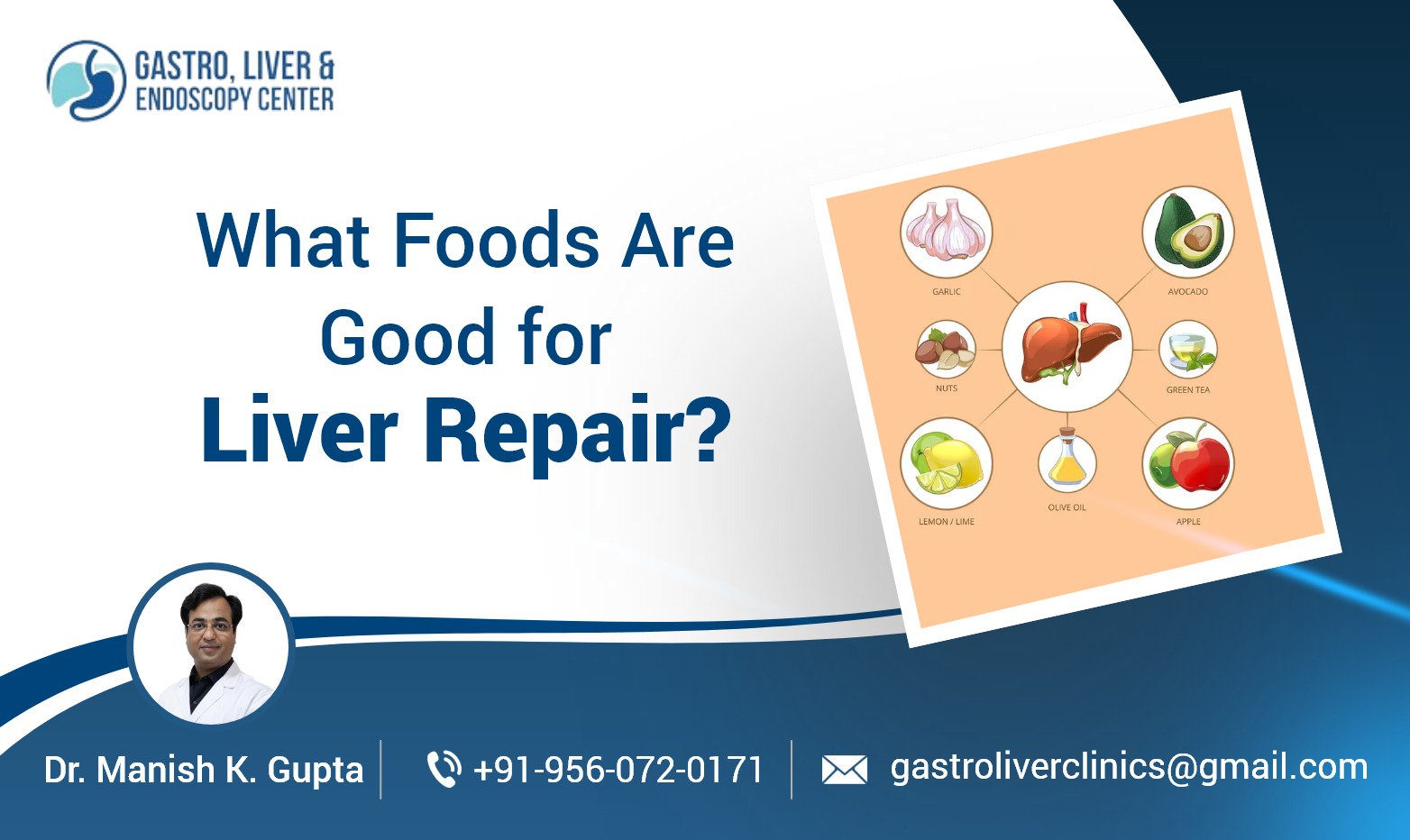
Top Foods for Liver Repair
- Coffee & Green Tea
Coffee is one of the most beneficial beverages for liver health. It helps:
- Lower liver enzymes
- Reduce inflammation
- Protect against liver fibrosis and cirrhosis
Green tea, rich in catechins, improves liver function and reduces fat accumulation.
Tip: Stick to black coffee (without sugar or cream) and 2–3 cups per day.
- Fatty Fish
Fatty fish such as:
- Salmon
- Sardines
- Mackerel
are rich in omega-3 fatty acids, which:
- Reduce liver fat
- Lower inflammation
- Improve lipid metabolism
Include fatty fish at least 2–3 times per week.
- Cruciferous Vegetables
Vegetables like:
- Broccoli
- Brussels sprouts
- Cauliflower
- Kale
help boost detoxification enzymes and improve liver function.
These veggies enhance the liver’s natural cleansing processes.
- Leafy Greens
Leafy greens such as:
- Spinach
- Kale
- Fenugreek leaves
are packed with chlorophyll and antioxidants that help neutralize toxins and reduce oxidative stress.
- Nuts & Seeds
Especially walnuts, which are rich in:
- Omega-3 fatty acids
- Glutathione (a powerful antioxidant)
They help improve liver enzyme levels and support detoxification.
Eat a small handful daily.
- Olive Oil
Extra virgin olive oil contains healthy unsaturated fats that:
- Reduce liver fat
- Improve insulin sensitivity
- Lower inflammation
Use it as your primary cooking oil (in moderate amounts).
- Garlic & Turmeric
Garlic:
- Activates liver detox enzymes
- Contains selenium and allicin
Turmeric:
- Contains curcumin
- Reduces inflammation
- Supports liver tissue repair
Add both regularly to your meals for maximum benefit.
- Berries & Citrus Fruits
Fruits like:
- Blueberries
- Cranberries
- Oranges
- Lemons
- Grapefruit
are rich in antioxidants such as vitamin C and flavonoids that:
- Protect liver cells
- Reduce inflammation
- Boost immunity
- Oatmeal & Whole Grains
High-fiber foods like:
- Oats
- Brown rice
- Whole wheat
help:
- Reduce fat absorption
- Improve digestion
- Stabilize blood sugar
A great breakfast option for liver health.
- Water
Hydration is crucial for liver detoxification. Water helps flush toxins and maintain optimal metabolic function.
Aim for 2.5–3 liters daily.
Best Diet Pattern for Liver Repair
Follow a Mediterranean-Style Diet
This diet emphasizes:
- Fruits and vegetables
- Whole grains
- Healthy fats (olive oil, nuts)
- Lean protein (fish, legumes)
It is proven to reduce fatty liver and improve overall liver health.
Foods to Avoid for Liver Health
To repair your liver, it’s equally important to limit harmful foods:
- Sugary drinks and sweets
- Refined carbohydrates (white bread, pastries)
- Fried and processed foods
- Excess salt
- Red and processed meats
- Alcohol
Lifestyle Tips for Better Liver Health
Along with diet, consider these habits:
- Maintain a healthy weight
- Exercise regularly (30–45 minutes daily)
- Avoid unnecessary medications
- Get regular health checkups
- Manage stress effectively
Sample Liver-Friendly Daily Diet
Morning: Warm lemon water + oatmeal with berries
Lunch: Grilled fish + brown rice + sautéed vegetables
Snack: Green tea + handful of walnuts
Dinner: Vegetable soup + whole wheat roti + salad
Final Thoughts
Your liver has an incredible ability to heal—but it needs the right support. By incorporating nutrient-rich, anti-inflammatory foods and avoiding harmful dietary habits, you can significantly improve liver function and overall health.
Consistency is key. Even small daily changes can lead to long-term liver repair and protection.
FAQs:
Q1. What is the best food for liver repair?
A1. Coffee, fatty fish, leafy greens, and cruciferous vegetables are among the best foods for liver repair.
Q2. Can the liver heal itself with diet?
A2. Yes, especially in early stages like fatty liver disease, a healthy diet can significantly help the liver repair itself.
Q3. Are bananas good for liver health?
A3. Yes, bananas are easy to digest and provide energy, but should be eaten in moderation due to natural sugars.
Q4. How long does it take to repair the liver?
A4. It depends on the condition, but improvements can be seen within weeks to months with a proper diet and lifestyle.
Q5. Is coffee really good for the liver?
A5. Yes, black coffee has been shown to reduce liver inflammation and protect against disease progression.
Q6. Are eggs good for fatty liver?
A6. Eggs are a good source of protein but should be consumed in moderation, especially if cholesterol is a concern.
Q7. Can drinking water detox the liver?
A7. Water supports detoxification but does not “cleanse” the liver alone—it works best with a healthy diet.
Q8. Is rice bad for the liver?
A8. White rice in excess may contribute to fat buildup, but brown rice is a healthier alternative
Q9. Which fruits are best for liver repair?
A9. Berries, citrus fruits, apples, and grapes are excellent due to their antioxidant content.
Q10. Should I avoid oil completely for liver health?
A10. No, healthy fats like olive oil are beneficial—just avoid excessive and unhealthy fats.