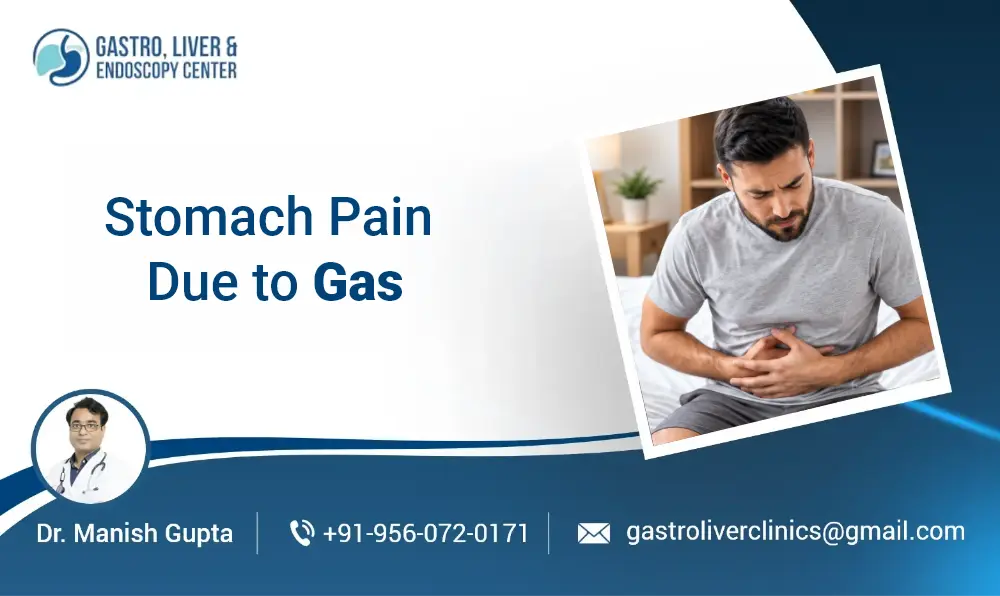
Bloating can strike at the worst times—right before an event, during travel, or after what seemed like a perfectly normal meal. That uncomfortable tightness, pressure, or “ballooned” feeling in your abdomen can make you sluggish, self-conscious, and frustrated. The good news? Bloating is often temporary and highly manageable, and there are several proven ways to relieve it quickly.
In this guide, we’ll explore fast-acting remedies, gentle lifestyle strategies, and practical prevention tips to help you feel lighter and more comfortable—sometimes within minutes.
For Enquiry

What Causes Bloating?
Before fixing bloating, it helps to understand what’s happening. Bloating is usually caused by one or more of the following:
- Gas buildup from digestion
- Swallowing air (eating too fast, chewing gum, carbonated drinks)
- Water retention from high sodium intake or hormonal changes
- Constipation or slowed digestion
- Food intolerances (like lactose or FODMAP sensitivity)
- Stress and nervous system tension
- Gut conditions such as IBS or SIBO
Once you identify the trigger, relief becomes much easier.
Fast and Effective Ways to Relieve Bloating
1. Drink Warm Fluids
A glass of warm water can gently stimulate digestion and help move trapped gas through the intestines. Even better, try herbal teas:
- Ginger tea – speeds gastric emptying
- Peppermint tea – relaxes intestinal muscles
- Chamomile tea – calms inflammation and stress
Warm liquids encourage circulation and relaxation in the gut, offering relief within minutes.
2. Apply Heat to Your Abdomen
Heat is a powerful, underrated bloating remedy. Use:
- A hot-water bottle
- A heating pad
- A warm bath or shower
Heat relaxes intestinal muscles, reduces cramping, and allows gas to pass more easily.
3. Take a Gentle Walk
A 10–15 minute walk after eating can significantly reduce bloating. Movement stimulates peristalsis—the wave-like contractions that move food and gas through your digestive tract.
This is especially helpful if bloating follows a heavy or fiber-rich meal.
4. Try Bloat-Relieving Yoga Poses
Gentle stretching encourages gas movement and releases abdominal tension. Try:
- Child’s Pose
- Happy Baby
- Cat-Cow
- Knees-to-Chest
Hold each pose while breathing deeply to enhance the effect.
5. Perform an Abdominal Massage
Lie on your back and gently massage your abdomen in a clockwise direction, following the path of your colon. This technique can:
- Stimulate bowel movement
- Reduce gas pressure
- Ease constipation-related bloating
Use slow, steady pressure for 5–10 minutes.
6. Practice Deep Diaphragmatic Breathing
Stress tightens the gut. Deep belly breathing activates the “rest and digest” nervous system:
- Inhale deeply through your nose, expanding your belly
- Exhale slowly through your mouth
- Repeat for 5 minutes
This can noticeably reduce the sensation of bloating—even if gas is still present.
7. Use Over-the-Counter Gas Relief
Simethicone (found in Gas-X and similar products) breaks up gas bubbles, making them easier to pass. It works quickly and is generally safe for occasional use.
8. Try Peppermint Oil Capsules
Enteric-coated peppermint oil capsules relax intestinal muscles and are especially helpful for IBS-related bloating.
Avoid if you have GERD or acid reflux, as peppermint may worsen symptoms.
9. Take Digestive Enzymes (If Food Is the Trigger)
If bloating happens after certain foods:
- Lactase helps with dairy
- Alpha-galactosidase (Beano) helps break down gas-producing carbs like beans and vegetables
These enzymes prevent bloating rather than treating it after the fact.
10. Address Water Retention
If bloating feels tight rather than gassy:
- Drink water with electrolytes
- Consume vegetable broth
- Reduce high-sodium foods temporarily
Proper hydration actually helps flush excess water from the body.
11. Quick, Less-Common Methods (Use with Caution)
Some people report rapid relief from:
- Jumping rope or light bouncing, which may help expel gas
- Baking soda in warm water, which can trigger a bowel movement
These methods can be intense and are not recommended for frequent use, especially for people with heart, kidney, or blood pressure issues.
Preventing Bloating in the Future
- Eat slowly and chew thoroughly
- Avoid carbonated drinks
- Limit ultra-processed and high-sodium foods
- Stay hydrated throughout the day
- Manage stress through breathing, yoga, or mindfulness
- Identify and avoid personal trigger foods
If bloating becomes chronic, painful, or persistent, it’s important to consult a gastroenterologist to rule out underlying conditions like IBS, SIBO, or food intolerances.
FAQs:
Q1. How long does bloating usually last?
A1. Bloating can last anywhere from a few minutes to several hours, depending on the cause. Gas-related bloating often resolves quickly with movement or heat.
Q2. What is the fastest way to relieve bloating?
A2. Walking, applying heat, drinking warm tea, and simethicone are among the fastest-acting remedies.
Q3. Can stress cause bloating?
A3. Yes. Stress slows digestion and increases gut sensitivity, making bloating more noticeable.
Q4. Is bloating the same as weight gain?
A4. No. Bloating is temporary and caused by gas or water retention, not fat gain.
Q5. Why do I bloat even when I eat healthy foods?
A5. Healthy foods like beans, vegetables, and whole grains are fermentable and can produce gas, especially if eaten quickly or in large amounts.
Q6. Does drinking water help or worsen bloating?
A6. Drinking water helps reduce bloating by preventing constipation and flushing excess sodium.
Q7. Are probiotics good for bloating?
A7. They can help long-term gut balance, but some people experience temporary bloating when starting them.
Q8. When should I worry about bloating?
A8. If bloating is severe, persistent, painful, or accompanied by weight loss, blood in stool, or vomiting, seek medical advice.
Q9. Can hormones cause bloating?
A9. Yes. Hormonal fluctuations during menstruation or menopause often cause water retention and bloating.
Q10. Is bloating a sign of poor digestion?
A10. Sometimes. It can indicate food intolerance, low digestive enzymes, or gut imbalance—but occasional bloating is normal.
Final Thoughts
Bloating may be uncomfortable, but it’s rarely permanent. With the right combination of movement, warmth, hydration, and mindful digestion, relief can come faster than you expect. Listen to your body, identify your triggers, and don’t hesitate to seek medical guidance if bloating becomes a regular problem.
Your comfort—and confidence—are worth it.