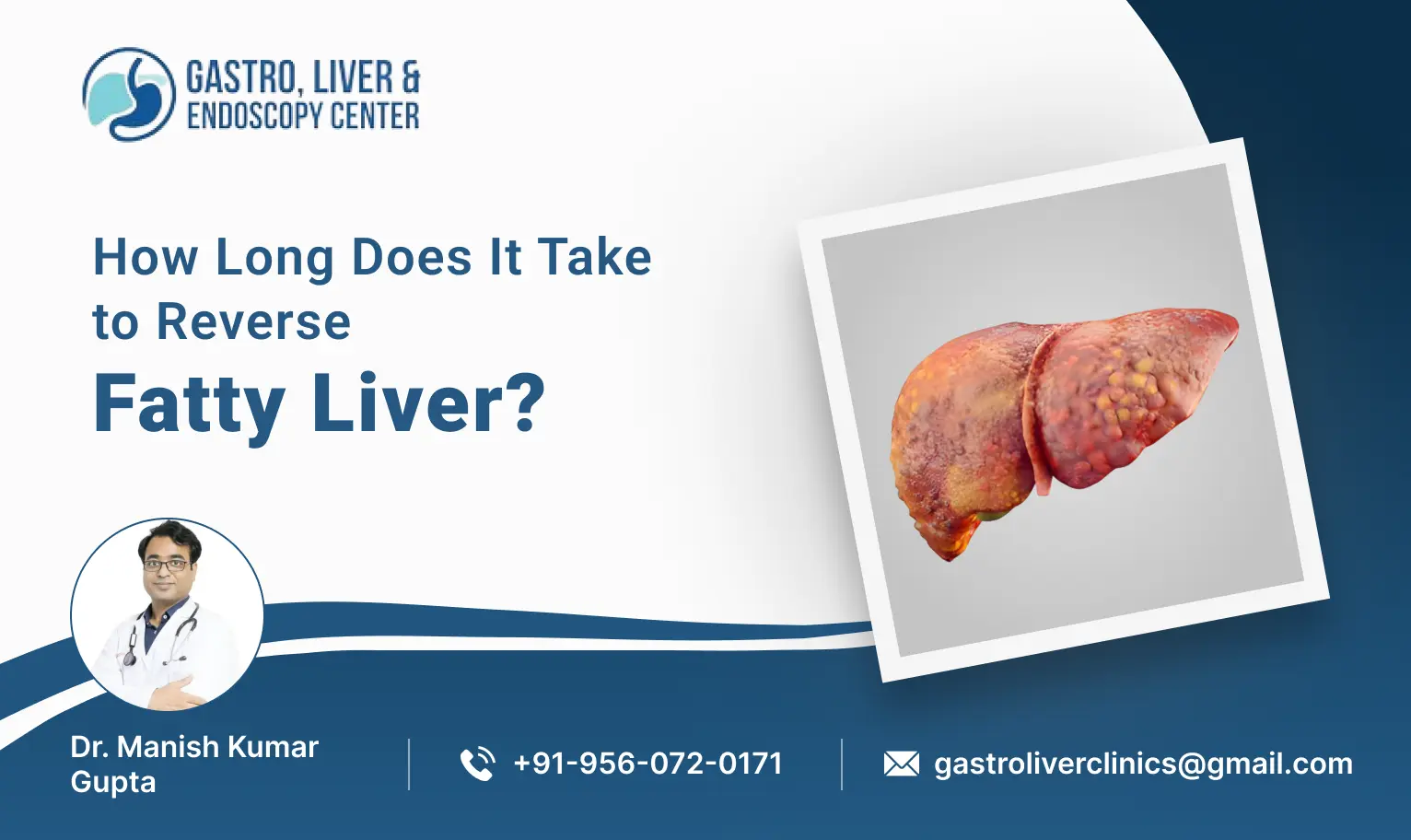
Being diagnosed with fatty liver disease can feel overwhelming. Many people worry about long-term damage, liver failure, or whether they’ll ever be “normal” again. Almost immediately, one question stands out:
The answer depends on multiple factors—but the reassuring truth is that fatty liver disease is often reversible, especially when caught early. The liver is one of the most resilient organs in the human body, capable of repairing and regenerating itself when the underlying causes of damage are addressed.
For Enquiry

This article explores the timeline of fatty liver reversal in detail, explains what actually happens inside the liver during recovery, and outlines what realistic progress looks like over weeks, months, and even years.
Understanding Fatty Liver Disease at a Deeper Level
Fatty liver disease develops when the liver stores more fat than it can safely process. This excess fat interferes with liver function and, over time, can lead to inflammation, scarring, and permanent damage.
Why the Liver Stores Fat
The liver plays a central role in:
- Processing fats and sugars
- Detoxifying harmful substances
- Regulating cholesterol
- Storing energy
When the body is overwhelmed by excess calories, alcohol, sugar, or insulin resistance, the liver begins storing fat as a protective response. Over time, this adaptive response becomes harmful.
Types of Fatty Liver Disease and Their Impact on Recovery
Alcohol-Related Fatty Liver Disease (ARLD)
ARLD occurs due to alcohol’s toxic effects on liver cells. Alcohol:
- Increases fat production in the liver
- Reduces fat breakdown
- Triggers inflammation
Key point: In ARLD, the liver cannot heal unless alcohol consumption stops completely.
Non-Alcoholic Fatty Liver Disease (NAFLD)
NAFLD is driven by metabolic dysfunction rather than alcohol. Common contributing factors include:
- Excess body fat (especially around the abdomen)
- Insulin resistance
- Type 2 diabetes
- High triglycerides
- Sedentary lifestyle
- High intake of sugar and refined carbohydrates
NAFLD is now one of the most common liver disorders globally.
The Spectrum of Fatty Liver Disease and Healing Time
Fatty liver disease is not a single condition—it progresses through stages. Each stage has a different timeline for recovery.
Stage 1: Simple Fatty Liver (Steatosis)
Estimated Reversal Time: 3 to 6 Months
At this stage:
- Fat is present in the liver
- There is little to no inflammation
- Liver cells are largely intact
What Happens During Recovery
When lifestyle changes begin:
- Liver fat begins to decrease within weeks
- Insulin sensitivity improves
- Liver enzymes (ALT, AST) often normalize within 1–3 months
- Imaging studies may show improvement within 3–6 months
Outlook
This stage is highly reversible. Many people can achieve full resolution if changes are consistent.
Stage 2: Moderate Fatty Liver
Estimated Reversal Time: 6 to 12 Months
Here, fat accumulation is more extensive and metabolic stress is higher.
Recovery Characteristics
- Fat reduction continues but more slowly
- Blood sugar and cholesterol control become critical
- Weight loss has a greater impact on outcomes
What to Expect
- Initial improvements in blood tests within 3–6 months
- Imaging improvements often take closer to a year
- Reversal is still very achievable with persistence
Stage 3: Fatty Liver with Inflammation (NASH)
Estimated Reversal Time: 1 to 2 Years
NASH (Non-Alcoholic Steatohepatitis) involves:
- Liver inflammation
- Cellular injury
- Increased risk of fibrosis (scarring)
Healing at This Stage
- Liver fat can be reduced
- Inflammation may gradually resolve
- Early fibrosis may stabilize or partially reverse
Important Reality
Recovery is slower and requires strict, long-term commitment, often with medical supervision. However, meaningful improvement is still possible.
Stage 4: Cirrhosis
Not Reversible
Cirrhosis represents extensive scarring that permanently alters liver structure.
What Can Still Improve
- Further damage can be slowed
- Complications can be managed
- Quality of life can improve with lifestyle changes
Early intervention is the single most important factor in preventing cirrhosis.
Key Factors That Determine How Fast Fatty Liver Reverses
1. Alcohol Abstinence
For alcohol-related fatty liver:
- Liver enzymes may improve within 2–4 weeks
- Fat reduction begins within 2–3 months
- Continued drinking—even small amounts—can halt recovery
Complete abstinence is non-negotiable for healing.
2. Weight Loss: The Strongest Predictor of Improvement
Research consistently shows:
- 5% weight loss reduces liver fat
- 7–10% weight loss reduces inflammation
- 10%+ weight loss may improve fibrosis
Why Slow Weight Loss Matters
Rapid weight loss can:
- Increase fat delivery to the liver
- Worsen inflammation
- Stress liver metabolism
The safest pace is 1–2 pounds per week.
3. Diet Quality Over Diet Type
No single “fatty liver diet” exists, but patterns matter.
Helpful Eating Patterns
- High fiber intake
- Balanced macronutrients
- Limited added sugars
- Whole, minimally processed foods
The Mediterranean diet consistently shows benefits for liver health
4. Exercise and Movement
Exercise helps the liver by:
- Reducing fat accumulation
- Improving insulin sensitivity
- Lowering inflammation
Even without weight loss, exercise reduces liver fat.
Recommended Minimum
- 150 minutes of moderate aerobic activity weekly
- Strength training 2–3 times weekly
- Daily movement (walking, stretching)
5. Managing Underlying Conditions
Fatty liver improves faster when:
- Blood sugar is controlled
- Cholesterol is managed
- Blood pressure is stable
- Sleep quality is improved
Medication may be necessary alongside lifestyle changes.
How Progress Is Measured Over Time
Short-Term (Weeks to 3 Months)
- Improved liver enzymes
- Better blood sugar levels
- Increased energy
Medium-Term (3–6 Months)
- Reduced liver fat on imaging
- Improved metabolic markers
- Weight and waist circumference reduction
Long-Term (6–24 Months)
- Resolution of steatosis
- Reduced inflammation
- Stabilization or improvement of fibrosis
Common Myths About Fatty Liver Recovery
- “I need a detox cleanse”
- “Supplements can fix my liver”
- “If I feel fine, it’s gone”
- “Thin people don’t get fatty liver”
Truth: Recovery requires sustained lifestyle change—not quick fixes.
FAQs:
Q1. How long before I see improvement?
A1. Many people notice improved liver enzymes and energy levels within 1–3 months of lifestyle changes. Imaging improvements usually appear after 3–6 months.
Q2. Can fatty liver be cured permanently?
A2. Yes, especially in early stages, but only if healthy habits are maintained long-term. Returning to unhealthy habits can cause fatty liver to return.
Q3. Can stress affect fatty liver?
A3. Yes, chronic stress worsens insulin resistance and inflammation. Managing stress supports faster liver recovery.
Q4. Is fatty liver reversible in older adults?
A4. Yes, fatty liver can improve at any age with proper lifestyle changes. Recovery may take longer compared to younger individuals.
Q5. Can fasting help fatty liver?
A5. Some structured fasting plans may reduce liver fat under medical guidance. Extreme or unsupervised fasting is not recommended.
Q6. Does sugar harm the liver more than fat?
A6. Yes, excess sugar—especially fructose—directly promotes liver fat buildup. Reducing sugary foods and drinks is crucial for recovery.
Q7. Is fatty liver genetic?
A7. Genetics can increase risk, but lifestyle plays a major role. Healthy habits can still significantly reverse the condition.
Q8. Can fatty liver cause fatigue?
A8. Yes, many people experience tiredness and low energy. Symptoms often improve as liver health improves.
Q9. How often should imaging tests be repeated?
A9. Imaging is usually repeated every 6–12 months, depending on severity. Your doctor will adjust timing based on progress.
Q10. What matters most for reversal?
A10. Consistency with diet, exercise, and lifestyle changes is key. Small daily habits sustained over time create lasting improvement.