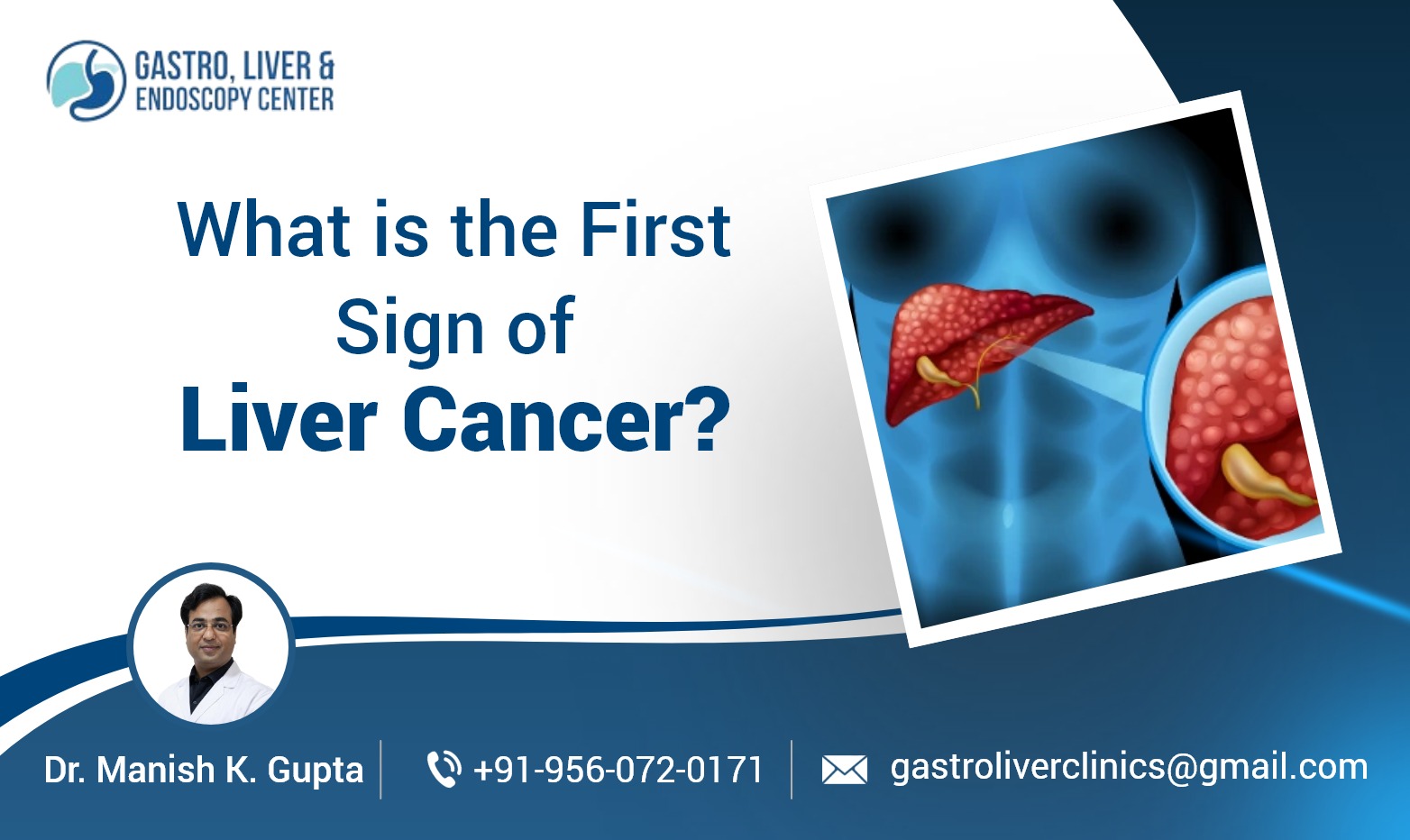
Liver cancer, most commonly known as Hepatocellular carcinoma, is often referred to as a “silent disease.” This is because its early symptoms are subtle, vague, and easily mistaken for less serious health issues. Understanding the earliest warning signs can play a crucial role in early detection and successful treatment.
Is There a Single First Sign?
Unlike some diseases that begin with a clear and distinct symptom, liver cancer usually does not have one obvious “first sign.” However, unexplained weight loss is widely considered one of the earliest and most common indicators.
For Enquiry

This weight loss often occurs without any changes in diet or physical activity. It happens because cancer can alter how the body uses energy, reduce appetite, and interfere with normal metabolism.
Early Warning Signs You Should Watch For
Although symptoms may vary from person to person, several early signs tend to appear as the disease begins to develop.
1. Unexplained Weight Loss
Sudden or gradual weight loss without trying is often the first noticeable change. It may be accompanied by muscle loss and general weakness.
2. Loss of Appetite
Many people with early liver cancer experience a reduced desire to eat. Even small meals can make you feel full quickly, a condition known as early satiety.
3. Persistent Fatigue and Weakness
Fatigue in liver cancer is not just ordinary tiredness—it is a deep, persistent exhaustion that doesn’t improve with rest. This occurs because the liver plays a key role in energy production and detoxification.
4. Upper Right Abdominal Pain
Discomfort or pain in the upper right side of the abdomen—just below the ribs—can be an early sign. This pain may be dull, aching, or occasionally sharp.
5. Nausea and Vomiting
Digestive disturbances such as nausea or occasional vomiting can occur early on, often mistaken for minor stomach issues.
Symptoms That Develop as the Disease Progresses
As liver cancer advances, symptoms become more noticeable and severe:
- Jaundice: Yellowing of the skin and eyes due to bile buildup
- Ascites: Swelling of the abdomen caused by fluid accumulation
- Dark urine and pale stools
- Easy bruising or bleeding due to impaired liver function
- Enlarged liver or spleen
- Pain in the right shoulder (referred pain from the liver)
- Visible veins on the abdomen
These symptoms indicate that the liver is no longer functioning properly and require immediate medical attention.
Why Liver Cancer Often Goes Undetected
One of the biggest challenges with liver cancer is that it often develops in people who already have chronic liver disease. Conditions like Cirrhosis or long-term infections such as Hepatitis B and Hepatitis C can mask early cancer symptoms.
Because these conditions already cause fatigue, discomfort, and digestive issues, new symptoms may go unnoticed or be attributed to the existing disease.
Who Is Most at Risk?
Certain groups of people have a significantly higher risk of developing liver cancer:
- Individuals with Cirrhosis
- People infected with Hepatitis B or Hepatitis C
- Those with Fatty liver disease
- Heavy alcohol users
- People with obesity or diabetes
- Individuals exposed to toxins like aflatoxins
If you fall into any of these categories, regular medical check-ups and screening tests are essential.
When Should You Seek Medical Help?
It’s important not to ignore persistent or unusual symptoms. You should consult a doctor if you experience:
- Unexplained weight loss
- Ongoing fatigue
- Persistent abdominal discomfort
- Yellowing of the skin or eyes
- Swelling in the abdomen
- Changes in urine or stool color
Even if these symptoms are mild, early evaluation can make a significant difference.
How Is Liver Cancer Detected Early?
Early detection is challenging but possible, especially for high-risk individuals. Doctors may recommend:
- Ultrasound scans to monitor liver changes
- Blood tests such as alpha-fetoprotein (AFP)
- CT scans or MRI for detailed imaging
Routine screening every 6 months is often advised for people with chronic liver disease.
Why Early Detection Matters
Liver cancer is much more treatable when diagnosed early. Treatment options at early stages may include:
- Surgical removal of the tumor
- Liver transplantation
- Targeted therapies
In advanced stages, treatment becomes more complex and focuses on slowing disease progression rather than cure.
FAQs:
Q1. What is the earliest symptom of liver cancer?
A1. The earliest symptom is usually unexplained weight loss, often accompanied by fatigue.
Q2. Can liver cancer develop without symptoms?
A2. Yes, especially in early stages. Many people have no noticeable symptoms initially.
Q3. Is fatigue a reliable early sign?
A3. Fatigue is common but not specific. It becomes more concerning when combined with other symptoms.
Q4. Does liver cancer always cause pain?
A4. No. Pain may appear later and is typically felt in the upper right abdomen.
Q5. What does jaundice indicate?
A5. Jaundice suggests liver dysfunction and usually appears in more advanced stages.
Q6. Who should be screened regularly?
A6. People with Cirrhosis or chronic hepatitis infections should undergo regular screening.
Q7. Can liver cancer be cured?
A7. If detected early, it can sometimes be cured with surgery or transplantation.
Q8. Are digestive issues common in liver cancer?
A8. Yes, symptoms like nausea, vomiting, and loss of appetite are common.
Q9. How fast does liver cancer progress?
A9. It varies. Some cases progress slowly, while others advance rapidly depending on underlying conditions.
Q10. Can lifestyle changes reduce risk?
A10. Yes. Avoiding alcohol abuse, maintaining a healthy weight, and treating hepatitis infections can lower risk.
Final Takeaway
The first sign of liver cancer is often not dramatic—it’s subtle and easy to overlook. Symptoms like unexplained weight loss, fatigue, and appetite loss may seem minor but can signal something more serious. Paying close attention to these early changes, especially if you are at high risk, can make a life-saving difference.
Early awareness, timely screening, and medical consultation are your best defenses against this silent disease.