Esophageal disorders can significantly affect one’s quality of life. From swallowing difficulties to chronic heartburn, these issues can stem from various underlying conditions. At the Gastro, Liver & Endoscopy Center, under the expertise of Dr. Manish Gupta, we specialize in diagnosing and treating a wide range of esophageal disorders. In this blog, we will explore the diagnostic tests available and the treatment options that can help you regain your health and well-being.
Understanding Esophageal Disorders
The esophagus is a muscular tube that connects the throat to the stomach. Disorders affecting this organ can manifest in various ways, including:
For Enquiry
- Dysphagia (difficulty swallowing)
- Gastroesophageal Reflux Disease (GERD)
- Esophagitis
- Achalasia
- Esophageal cancer
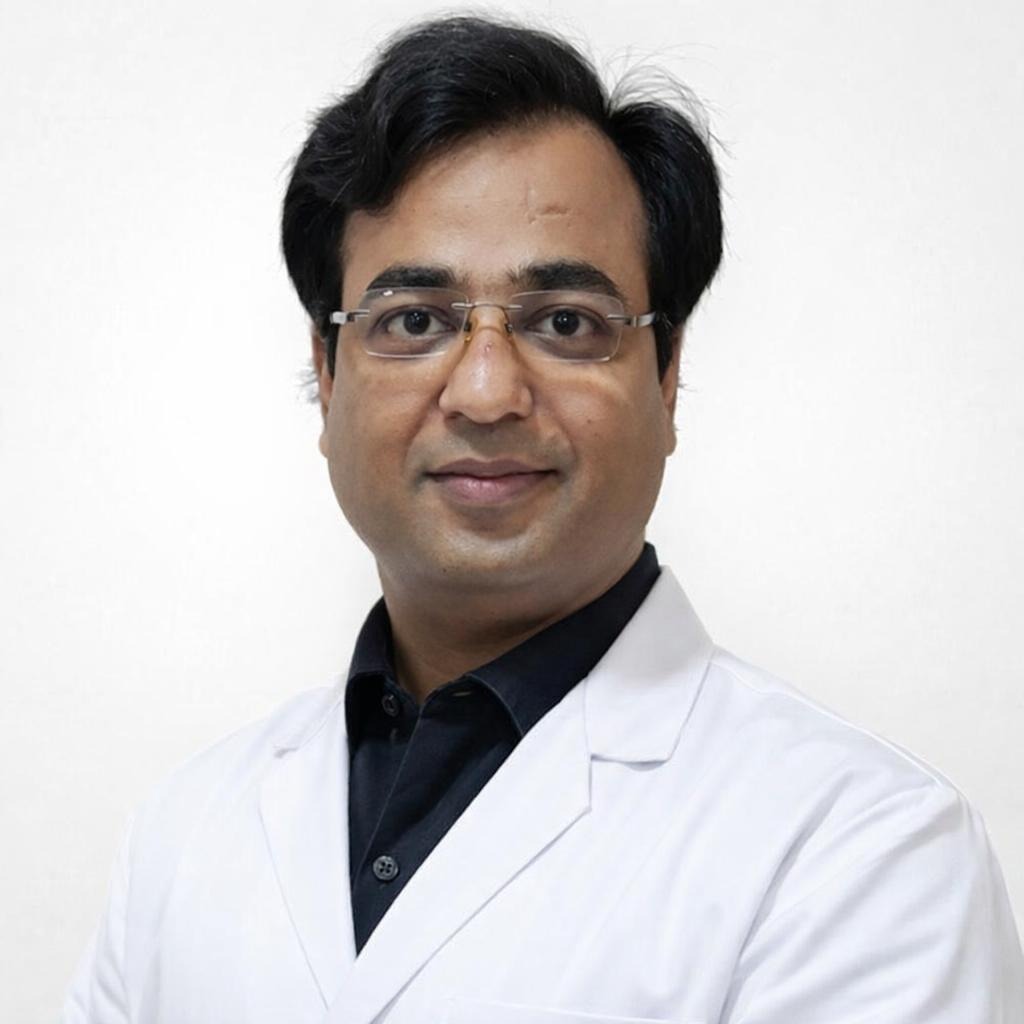
If you’re experiencing symptoms such as persistent heartburn, regurgitation, or difficulty swallowing, it’s crucial to consult with a specialist. Dr. Manish Gupta, recognized as one of the best gastroenterologists in Delhi and Ghaziabad, provides comprehensive care for patients suffering from these conditions.
Diagnostic Tests for Esophageal Disorders
Accurate diagnosis is key to effective treatment. Here are some common tests that Dr. Gupta may recommend:
1. Upper Endoscopy (Esophagogastroduodenoscopy – EGD)
This procedure involves inserting a flexible tube with a camera (endoscope) through the mouth and into the esophagus. It allows Dr. Gupta to visually inspect the lining of the esophagus, stomach, and duodenum. During the procedure, he can also take biopsies if necessary. This is essential for diagnosing conditions like esophagitis, Barrett’s esophagus, and cancer.
2. Barium Swallow Study
In this X-ray examination, the patient swallows a barium solution that coats the esophagus, making it visible on X-ray images. This test helps identify abnormalities in the structure and function of the esophagus, such as strictures, blockages, or issues with motility.
3. Esophageal Manometry
This test measures the pressure and coordination of the esophageal muscles. It is particularly useful for diagnosing conditions like achalasia and other motility disorders. By understanding how the esophagus functions during swallowing, Dr. Gupta can tailor an appropriate treatment plan.
4. 24-Hour pH Monitoring
This test involves placing a small device in the esophagus to measure the acidity level over a 24-hour period. It is crucial for diagnosing GERD. Patients may keep a diary of symptoms to correlate them with pH levels, helping Dr. Gupta evaluate the severity of acid reflux.
5. Esophageal Ultrasound
For certain conditions, an ultrasound may be used to assess the depth of tumors or the involvement of surrounding tissues. This test can provide valuable information for planning further treatment, especially if cancer is suspected.
Treatment Options for Esophageal Disorders
Once a diagnosis is made, treatment can begin. Dr. Gupta offers a variety of treatment options tailored to each patient’s specific needs:
1. Lifestyle Modifications
For many esophageal disorders, particularly GERD, lifestyle changes can significantly alleviate symptoms. Recommendations may include:
- Eating smaller, more frequent meals
- Avoiding trigger foods (spicy, acidic, or fatty foods)
- Elevating the head of the bed to prevent nighttime reflux
- Quitting smoking and reducing alcohol consumption
2. Medications
Depending on the condition, various medications can be prescribed, such as:
- Proton Pump Inhibitors (PPIs) to reduce stomach acid
- H2-receptor antagonists for less severe acid reflux
- Antacids for immediate relief of symptoms
- Prokinetic agents to improve esophageal motility in conditions like gastroparesis
3. Endoscopic Procedures
For certain conditions, endoscopic procedures can be performed to treat problems directly:
- Dilation for strictures or narrowing of the esophagus
- Endoscopic mucosal resection (EMR) for early-stage cancers
- Radiofrequency ablation for Barrett’s esophagus
4. Surgery
In cases where other treatments are ineffective, surgical options may be considered. Dr. Gupta may recommend procedures such as:
- Fundoplication for severe GERD
- Esophagectomy for cancer
Why Choose Gastro, Liver & Endoscopy Center?
At the Gastro, Liver & Endoscopy Center, we pride ourselves on providing patient-centered care. Dr. Manish Gupta, celebrated as one of the best gastroenterologists in Delhi and Ghaziabad, employs the latest technologies and techniques to ensure accurate diagnosis and effective treatment. Our compassionate team is dedicated to supporting you throughout your treatment journey, ensuring that you feel informed and comfortable every step of the way.