Fatty liver disease has become one of the most common liver disorders worldwide, largely due to unhealthy eating habits, sedentary lifestyles, obesity, and metabolic conditions such as diabetes. Many people are diagnosed accidentally during routine checkups, as the condition often shows no early symptoms.
The encouraging news is that fatty liver disease is often reversible, especially in its early stages. With the right lifestyle changes, medical guidance, and consistency, the liver can heal and regain normal function.
For Enquiry

This blog explores fatty liver disease in depth and explains practical, proven ways to remove excess fat from the liver naturally and safely.
What Is Fatty Liver Disease?
Fatty liver disease occurs when excess fat accumulates in liver cells. Normally, the liver contains some fat, but when fat exceeds healthy levels, it interferes with liver function.
There are two main types:
- Non-Alcoholic Fatty Liver Disease (NAFLD): Caused by poor diet, obesity, insulin resistance, and metabolic disorders.
- Alcoholic Fatty Liver Disease (AFLD): Caused by excessive alcohol consumption.
If left untreated, fatty liver disease can progress to liver inflammation, fibrosis, cirrhosis, and even liver failure.
Common Causes and Risk Factors
Several factors increase the risk of developing fatty liver disease, including:
- Obesity or being overweight
- Poor diet high in sugar and unhealthy fats
- Physical inactivity
- Type 2 diabetes or insulin resistance
- High cholesterol or triglycerides
- Excessive alcohol intake
- Certain medications
Understanding the root cause is essential because treatment depends heavily on addressing these underlying factors.
Why Early Treatment Matters
Fatty liver disease often develops silently. Many people do not experience symptoms until the disease has progressed.
Possible symptoms (if they appear) include:
- Fatigue
- Abdominal discomfort
- Unexplained weight gain
- Mild pain in the upper right abdomen
Treating fatty liver early helps prevent irreversible liver damage and reduces the risk of serious complications like cirrhosis and liver cancer.
Weight Loss: The Foundation of Recovery
Weight loss is the most effective and proven treatment for fatty liver disease.
- Losing 3–5% of body weight reduces liver fat
- Losing 7–10% can improve inflammation and scarring
- Gradual weight loss is safer and more sustainable
Extreme dieting or rapid weight loss should be avoided, as it may worsen liver stress.
Eating the Right Diet for Liver Health
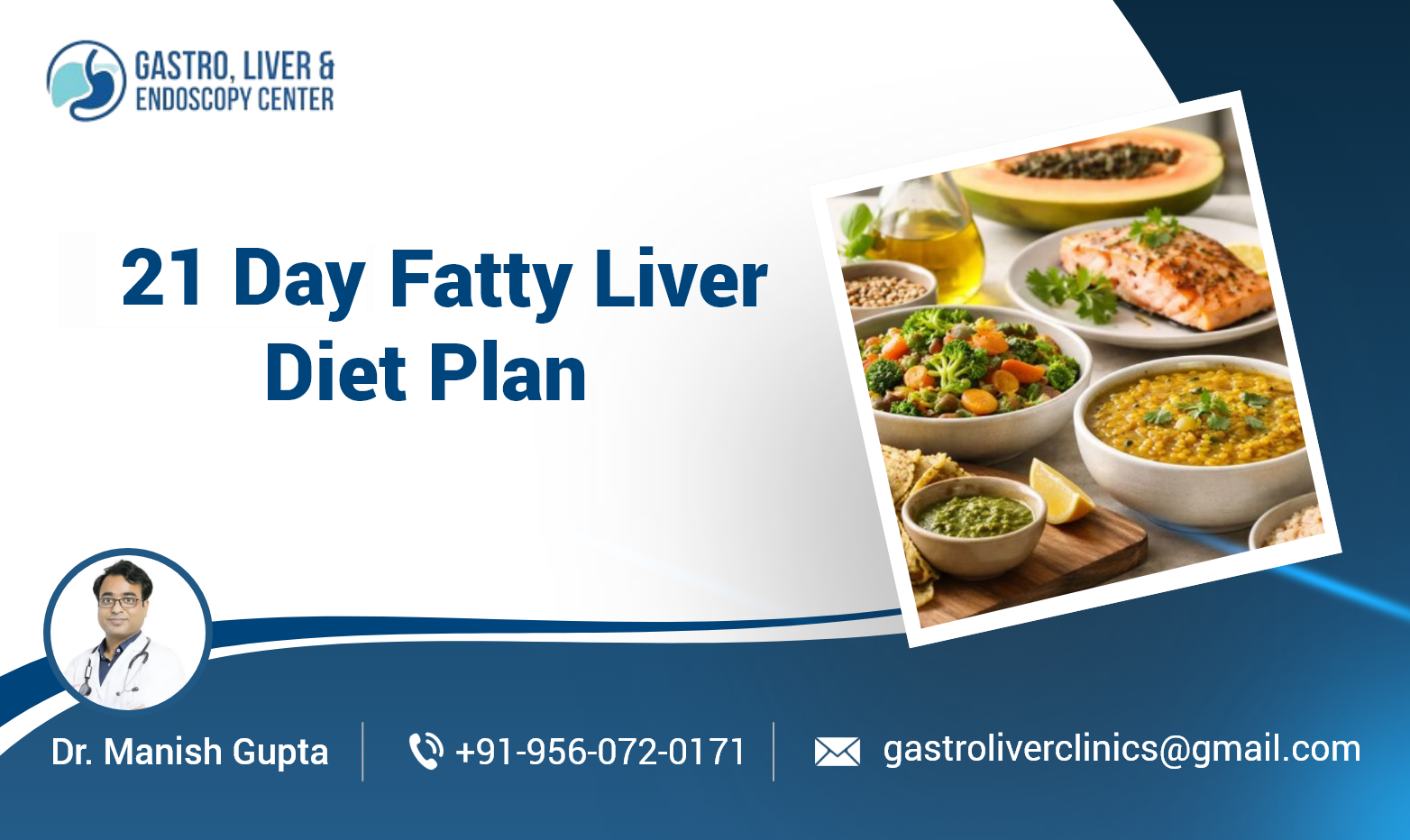
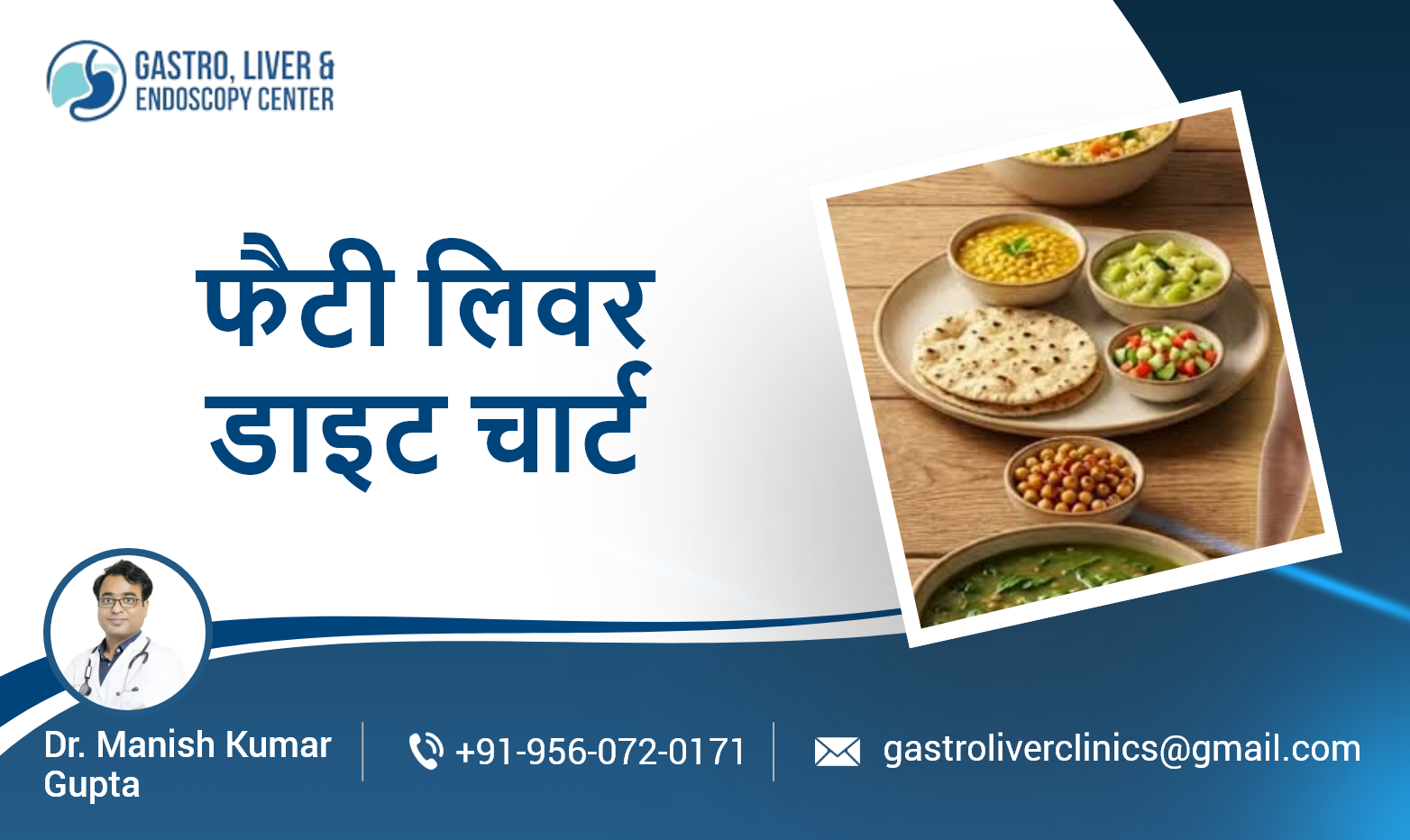
A balanced, nutrient-rich diet can significantly reduce liver fat.
Recommended foods:
- Fresh fruits and vegetables
- Whole grains like oats, brown rice, and quinoa
- Healthy fats (olive oil, nuts, seeds)
- Lean protein sources (fish, legumes, poultry)
- Omega-3 rich foods (salmon, walnuts)
Foods to limit or avoid:
- Sugary drinks and sweets
- Refined carbohydrates
- Fried and fast foods
- Processed snacks
- Saturated and trans fats
The Mediterranean diet is widely recommended due to its liver-protective benefits.
Exercise and Physical Activity
Exercise helps burn fat stored in the liver and improves insulin sensitivity.
- Aim for 150–240 minutes per week of moderate exercise
- Combine aerobic exercise (walking, cycling, swimming)
- Include strength training to build muscle
Even moderate activity, done consistently, can significantly improve liver health.
Avoiding Alcohol Completely
For alcoholic fatty liver disease, complete abstinence from alcohol is essential.
For non-alcoholic fatty liver disease:
- Alcohol should be avoided or strictly limited
- Even small amounts can worsen liver damage in some individuals
Avoiding alcohol allows the liver to regenerate and heal naturally.
Managing Other Health Conditions
Fatty liver disease is closely linked with metabolic disorders.
Managing:
- Blood sugar levels
- Cholesterol and triglycerides
- Blood pressure
through diet, exercise, and prescribed medications helps prevent disease progression and supports liver recovery.
Medical Monitoring and Professional Guidance
Regular checkups help track liver health and improvement.
Doctors may recommend:
- Blood tests for liver enzymes
- Ultrasound or imaging tests
- Referral to dietitians or specialists
Currently, there is no universally approved medication specifically for NAFLD, but ongoing research shows promise for future treatments.
Long-Term Lifestyle Changes for Prevention
Once fatty liver improves, maintaining healthy habits is essential to prevent recurrence.
- Eat balanced meals
- Stay physically active
- Maintain a healthy weight
- Avoid alcohol
- Get regular health screenings
Consistency is the key to lifelong liver health.
FAQs:
Q1. Can fatty liver disease be completely cured?
A1. Yes, in many cases—especially in early stages—fatty liver disease can be completely reversed through lifestyle changes such as weight loss, diet improvement, and regular exercise.
Q2. How long does it take to reverse fatty liver disease?
A2. Improvement can begin within a few weeks, but significant reversal usually takes 3–6 months or longer, depending on lifestyle changes and individual health.
Q3. Is fatty liver disease painful?
A3. Most people experience no pain. Some may feel mild discomfort or heaviness in the upper right abdomen, especially as the disease progresses.
Q4. What is the best diet for fatty liver disease?
A4. The Mediterranean diet is considered one of the best diets, emphasizing fruits, vegetables, whole grains, lean proteins, and healthy fats.
Q5. Can exercise alone cure fatty liver disease?
A5. Exercise alone helps, but the best results come from combining exercise with a healthy diet and weight management.
Q6. Is fatty liver disease dangerous?
A6. If untreated, it can lead to inflammation, fibrosis, cirrhosis, and increased risk of liver cancer and heart disease.
Q7. Should I avoid all fats if I have fatty liver?
A7. No. Healthy fats like olive oil, nuts, seeds, and fish are beneficial. Unhealthy fats should be avoided.
Q8. Can children or teenagers get fatty liver disease?
A8. Yes, especially with obesity and poor diet. Early lifestyle changes are very effective in younger individuals.
Q9. Are there medications to treat fatty liver disease?
A9. Currently, no single medication is approved specifically to cure NAFLD, but doctors may treat related conditions like diabetes or high cholesterol.
Q10. Can fatty liver come back after recovery?
A10. Yes, if unhealthy habits return. Maintaining a healthy lifestyle is essential to prevent recurrence.