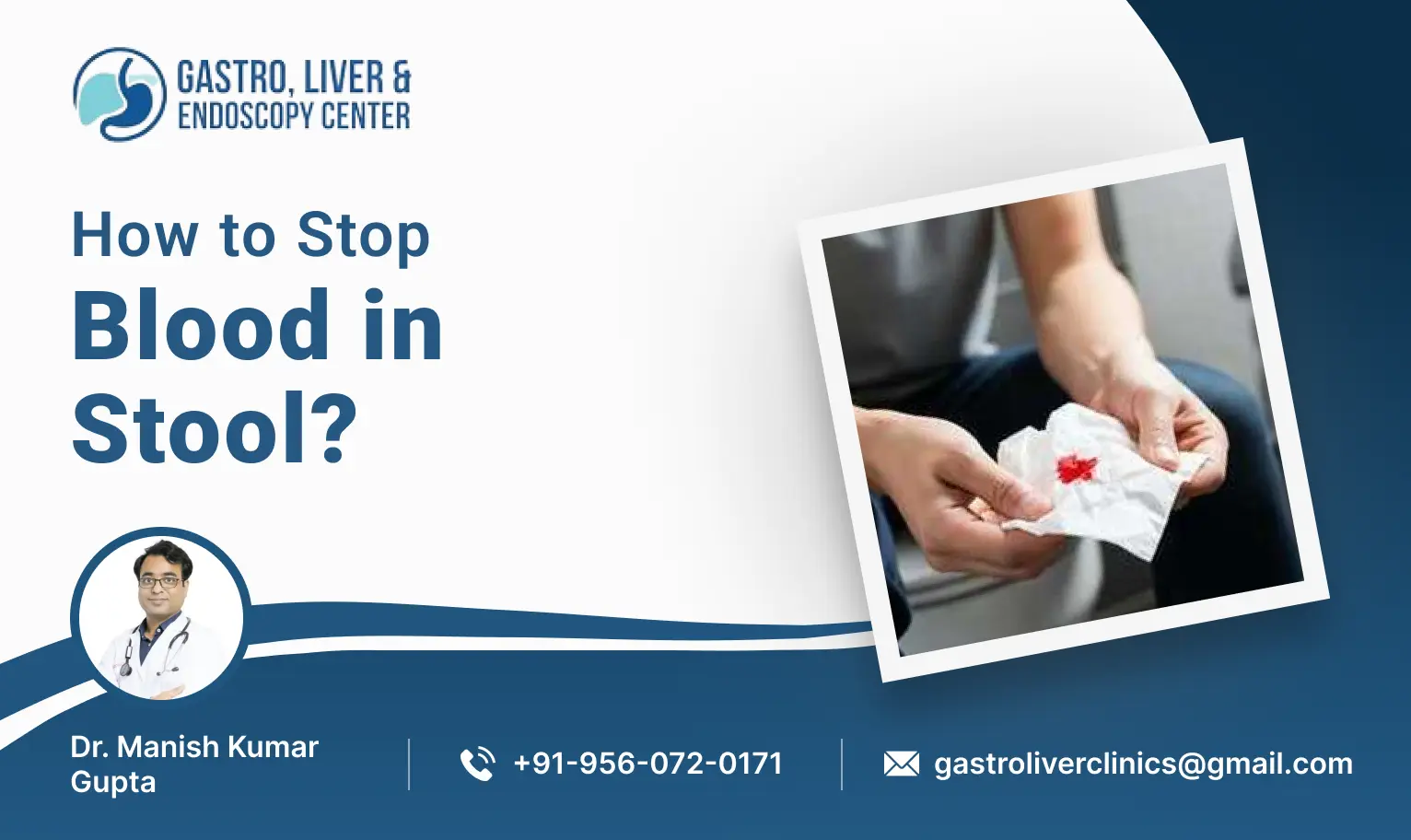
Seeing blood in your stool can be frightening. Whether it appears as bright red streaks on toilet paper or dark, tarry stools, it’s a sign your body should never ignore. While some causes are minor and easily treatable—such as hemorrhoids or small anal fissures—others can be serious, including inflammatory bowel disease (IBD), ulcers, or colorectal cancer.
The most important thing to understand is this: blood in stool is a symptom, not a diagnosis. Stopping the bleeding requires identifying and treating the underlying cause. This article explains why blood in stool happens, what you can do immediately, medical treatments based on diagnosis, what to avoid, and when to seek urgent medical care.
Contact Us

What Does Blood in Stool Indicate?
Blood in stool can vary in color, amount, and frequency, and each variation offers clues about its source:
- Bright red blood: Often comes from the lower digestive tract (anus or rectum), commonly due to hemorrhoids or fissures.
- Dark red or maroon blood: May indicate bleeding in the colon or small intestine.
- Black, tarry stools: Usually suggest bleeding in the upper digestive tract, such as the stomach or esophagus.
Even if the bleeding is painless or occasional, it should always be evaluated by a doctor.
Common Causes of Blood in Stool
Understanding potential causes helps explain why self-treatment alone is not enough.
1. Hemorrhoids
Swollen veins in the rectum or anus that bleed during bowel movements, often caused by constipation, straining, or prolonged sitting.
2. Anal Fissures
Small tears in the anal lining caused by passing hard stools. These are painful and often bleed bright red blood.
3. Constipation and Straining
Hard stools can injure delicate rectal tissue, leading to bleeding.
4. Gastrointestinal Infections
Bacterial or parasitic infections can inflame the intestines and cause bloody diarrhea.
5. Inflammatory Bowel Disease (IBD)
Conditions like Crohn’s disease and ulcerative colitis cause chronic intestinal inflammation and bleeding.
6. Colon Polyps and Colorectal Cancer
Polyps can bleed intermittently and may become cancerous over time.
7. Diverticular Disease
Small pouches in the colon wall can rupture and cause sudden bleeding.
8. Stomach Ulcers or Gastritis
These can cause black or tarry stools due to digested blood.
Immediate Steps to Manage Symptoms (While Awaiting Medical Advice)
These steps can help reduce irritation and prevent worsening symptoms, but they do not replace medical evaluation.
1. Stay Hydrated
Drink 8–10 glasses of water daily. Adequate hydration softens stools, making bowel movements easier and reducing strain.
2. Increase Fiber Intake
Fiber helps regulate bowel movements and prevent constipation. Add:
- Fruits (apples, pears, berries)
- Vegetables (broccoli, spinach, carrots)
- Whole grains
- Beans and lentils
Increase fiber gradually to avoid gas or bloating.
3. Take Sitz Baths
Soak the anal area in warm water for 10–15 minutes, 2–3 times a day. Sitz baths relieve pain, reduce swelling, and promote healing.
4. Apply Cold Compresses
Use ice packs wrapped in cloth for short periods to reduce pain and inflammation around the anal area.
5. Avoid Straining During Bowel Movements
Don’t rush or force bowel movements. Avoid sitting on the toilet for long periods or using your phone, which increases pressure on rectal veins.
6. Gentle Physical Activity
Light exercise like walking stimulates digestion and helps maintain regular bowel habits.
Medical Treatments Based on Diagnosis
Doctors tailor treatment depending on the cause and severity of bleeding.
Medications
- Stool softeners for constipation
- Anti-inflammatory drugs for IBD
- Antibiotics for infections
- Acid-suppressing medications for ulcers
Topical Treatments
- Hydrocortisone creams (short-term use only)
- Lidocaine ointments for pain and itching
Dietary Changes
- Anti-inflammatory diets for IBD
- Avoiding trigger foods (spicy, fatty, or acidic foods)
- High-fiber diets for hemorrhoids and fissures
Medical Procedures
- Rubber band ligation or thrombectomy for hemorrhoids
- Endoscopic treatment for bleeding ulcers
- Surgery for severe or persistent conditions, including cancer
When to See a Doctor (This Is Critical)
You should always consult a doctor if you notice blood in your stool, but seek urgent medical care if you experience:
- Large or continuous bleeding
- Severe abdominal or rectal pain
- Dizziness, weakness, or fainting
- Fatigue or pale skin (possible anemia)
- Unexplained weight loss
- Black or tarry stools
- Family history of colorectal cancer
Delaying care can lead to serious complications, including anemia, infection, or delayed cancer diagnosis.
What You Should Avoid
- Ignoring the bleeding
- Self-diagnosing without medical tests
- Prolonged use of steroid creams without a doctor’s approval
- Excessive straining or laxative misuse
Temporary relief without diagnosis can mask serious disease.
FAQs:
Q1. Is blood in stool always an emergency?
A1. Not always, but it is always a reason to see a doctor. Some causes are minor, but others are serious.
Q2. Can hemorrhoids cause a lot of bleeding?
A2. Yes. While usually mild, hemorrhoids can sometimes bleed heavily and cause anemia if untreated.
Q3. Can stress cause blood in stool?
A3. Stress doesn’t directly cause bleeding, but it can worsen digestive conditions like IBS or constipation.
Q4. What color is blood most concerning?
A4. Black or tarry stools and dark red blood are more concerning and require urgent evaluation.
Q5. Can diet alone stop blood in stool?
A5. Diet helps manage symptoms but cannot treat underlying diseases like IBD or cancer.
Q6. Should I stop exercising if I have bleeding?
A6. Avoid heavy lifting, but gentle activities like walking are generally beneficial.
Q7. Can children have blood in stool?
A7. Yes. Causes range from constipation to infections. Children should always be evaluated by a pediatrician.
Q8. How long should I wait before seeing a doctor?
A8. You should seek medical advice as soon as you notice blood, especially if it recurs.
Q9. Can blood in stool lead to anemia?
A9. Yes. Chronic blood loss can cause iron-deficiency anemia, leading to fatigue and weakness.
Q10. What tests might be done to find the cause?
A10. Doctors may order blood tests, stool tests, colonoscopy, sigmoidoscopy, or imaging studies.
Final Takeaway
Blood in stool is a warning sign your body should never ignore. While lifestyle changes like hydration, fiber intake, and sitz baths can help manage symptoms, they are not a cure. Identifying the underlying cause through proper medical evaluation is essential to prevent complications and protect long-term health.
If you notice blood in your stool—even once—take it seriously. Early diagnosis saves lives, reduces anxiety, and ensures the right treatment at the right time.