Gallbladder problems such as gallstones or gallbladder inflammation often worsen when a person eats foods that are high in fat or heavily processed. The gallbladder stores bile, which helps digest fats. When you eat fatty foods, the gallbladder contracts strongly to release bile, and this can trigger pain or discomfort if the gallbladder is already irritated.
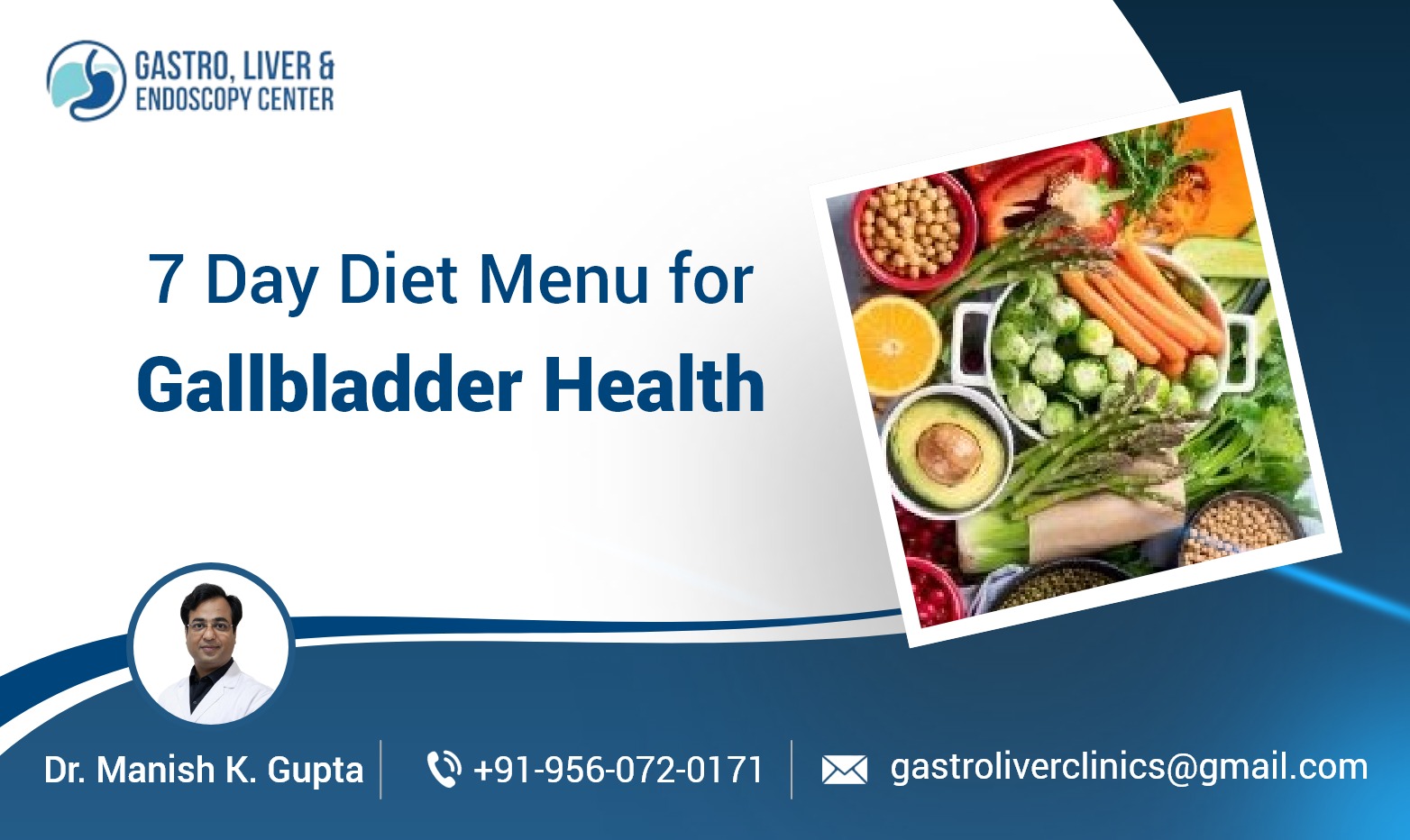
A 7-day low-fat, high-fiber gallbladder diet is designed to reduce stress on the gallbladder while still providing the nutrients your body needs. The goal is to focus on lean proteins, whole grains, fruits, vegetables, and low-fat dairy while avoiding fried foods, excess oil, and heavy processed meals.
For Enquiry

Eating small, frequent meals instead of large portions can also help manage symptoms because it prevents the gallbladder from having to release large amounts of bile at once.
This guide provides a 7-day gallbladder-friendly meal plan, along with important diet tips and frequently asked questions to help support digestion and recovery.
Key Principles of a Gallbladder-Friendly Diet
Before starting the meal plan, it is important to understand the dietary principles that support gallbladder health.
1. Choose Low-Fat Foods
Fat intake should be limited because fats trigger bile release. Choose foods that contain less than 3–5 grams of fat per serving.
2. Increase Fiber Intake
Fiber improves digestion and helps regulate bile production. Good sources include:
- Oats
- Brown rice
- Whole wheat bread
- Lentils and beans
- Fruits and vegetables
3. Eat Lean Protein
Protein helps maintain muscle and energy levels while keeping fat intake low. Good choices include:
- Skinless chicken
- Fish
- Egg whites
- Tofu
- Lentils and beans
4. Use Healthy Cooking Methods
Avoid frying. Instead use:
- Steaming
- Boiling
- Baking
- Grilling
- Roasting
5. Eat Small, Frequent Meals
Eating 4–6 smaller meals per day reduces pressure on the digestive system.
6. Stay Hydrated
Drink at least 8–10 glasses of water daily to support digestion and prevent bile thickening.
7-Day Gallbladder Diet Meal Plan
Day 1
Breakfast: Oatmeal cooked in water topped with banana slices and a teaspoon of honey.
Snack: Low-fat yogurt with berries.
Lunch: Grilled chicken salad with lettuce, cucumber, tomatoes, and lemon dressing.
Snack: Apple slices.
Dinner: Baked white fish with steamed broccoli and brown rice.
Day 2
Breakfast: Egg white scramble with spinach and whole-wheat toast.
Snack: Applesauce.
Lunch: Moong dal soup with steamed vegetables and a small bowl of brown rice.
Snack: Carrot sticks with hummus.
Dinner: Grilled chicken breast with roasted sweet potato and green beans.
Day 3
Breakfast: Low-fat yogurt with oats and chopped apple.
Snack: Banana.
Lunch: Tuna sandwich (water-packed tuna) on whole-wheat bread with lettuce.
Snack: Orange slices.
Dinner: Tofu stir-fry with broccoli, carrots, and brown rice.
Day 4
Breakfast: Oatmeal with blueberries and cinnamon.
Snack: Low-fat yogurt.
Lunch: Vegetable soup with whole-grain toast.
Snack: Pear slices.
Dinner: Baked tilapia with steamed zucchini and quinoa.
Day 5
Breakfast: Egg white omelet with tomatoes and spinach.
Snack: Apple.
Lunch: Grilled chicken wrap with lettuce and cucumber in a whole-wheat tortilla.
Snack: Carrot sticks with hummus.
Dinner: Lentil stew with brown rice and steamed broccoli.
Day 6
Breakfast: Whole-grain toast with mashed banana and a drizzle of honey.
Snack: Low-fat yogurt with berries.
Lunch: Quinoa salad with chickpeas, cucumber, tomato, and lemon dressing.
Snack: Orange slices.
Dinner: Grilled fish with sweet potato and steamed green beans.
Day 7
Breakfast: Oatmeal with chopped almonds (small amount) and strawberries.
Snack: Applesauce.
Lunch: Vegetable and tofu soup with whole-grain bread.
Snack: Banana.
Dinner: Baked chicken breast with brown rice and steamed mixed vegetables.
Foods to Avoid for Gallbladder Health
Certain foods can trigger gallbladder pain or worsen symptoms. It is best to limit or completely avoid the following:
- Fried foods
- Fast food
- Fatty red meat
- Butter and cream sauces
- Full-fat dairy products
- Sausages and processed meats
- Pastries and cakes
- Potato chips and oily snacks
- Highly processed foods
These foods increase fat digestion demands, which forces the gallbladder to release more bile and may trigger discomfort.
Foods That Support Gallbladder Recovery
Foods that are gentle on digestion include:
- Oatmeal
- Brown rice
- Whole-wheat bread
- Apples
- Bananas
- Berries
- Leafy greens
- Lentils and beans
- Skinless poultry
- Fish
- Tofu
These foods provide fiber, vitamins, and nutrients while keeping fat intake low.
Additional Diet Tips for Gallbladder Problems
- Eat slowly and chew food thoroughly to improve digestion.
- Avoid large meals late at night.
- Limit caffeine and sugary drinks.
- Maintain a healthy weight, but avoid rapid weight loss.
- Reduce oil usage in cooking.
- Keep a food diary to identify trigger foods.
Making these changes can help reduce symptoms like bloating, nausea, and abdominal pain.
FAQs:
Q1. What is the best diet for gallbladder problems?
A1. The best diet is low in fat and high in fiber, focusing on fruits, vegetables, whole grains, and lean protein sources.
Q2. Can I eat eggs with gallbladder issues?
A2. Yes, but it is better to eat egg whites instead of whole eggs because the yolk contains more fat.
Q3. Is rice good for gallbladder patients?
A3. Yes. Brown rice and plain white rice are easy to digest and low in fat, making them suitable for gallbladder diets.
Q4. Can gallbladder patients drink milk?
A4. Low-fat or skim milk is usually safe. Full-fat dairy products should be avoided.
Q5. Are bananas good for gallbladder health?
A5. Yes. Bananas are low in fat, high in fiber, and gentle on digestion.
Q6. Can I eat chicken with gallbladder disease?
A6. Yes, but it should be skinless and cooked by grilling, baking, or steaming, not frying.
Q7. What fruits should be avoided with gallbladder issues?
A7. Most fruits are safe, but avoid high-fat preparations like fruit with cream or syrup-heavy desserts.
Q8. Is coffee bad for the gallbladder?
A8. Coffee may stimulate bile production in some people. If it causes discomfort, it is best to limit or avoid it.
Q9. How many meals should I eat per day with gallbladder problems?
A9. Eating 4–6 small meals per day is recommended to reduce digestive stress.
Q10. Can diet help prevent gallstones?
A10. Yes. A balanced diet with healthy weight management, high fiber, and low saturated fat may help reduce the risk of gallstone formation.
Conclusion
A 7-day gallbladder diet menu focuses on simple, low-fat, and high-fiber foods that support digestion while reducing stress on the gallbladder. By choosing lean proteins, whole grains, fruits, and vegetables—and avoiding fried and fatty foods—you can significantly reduce symptoms and improve digestive comfort.
Consistency is key. Combining a healthy diet with proper hydration, portion control, and gentle cooking methods can help maintain gallbladder health and promote overall well-being.