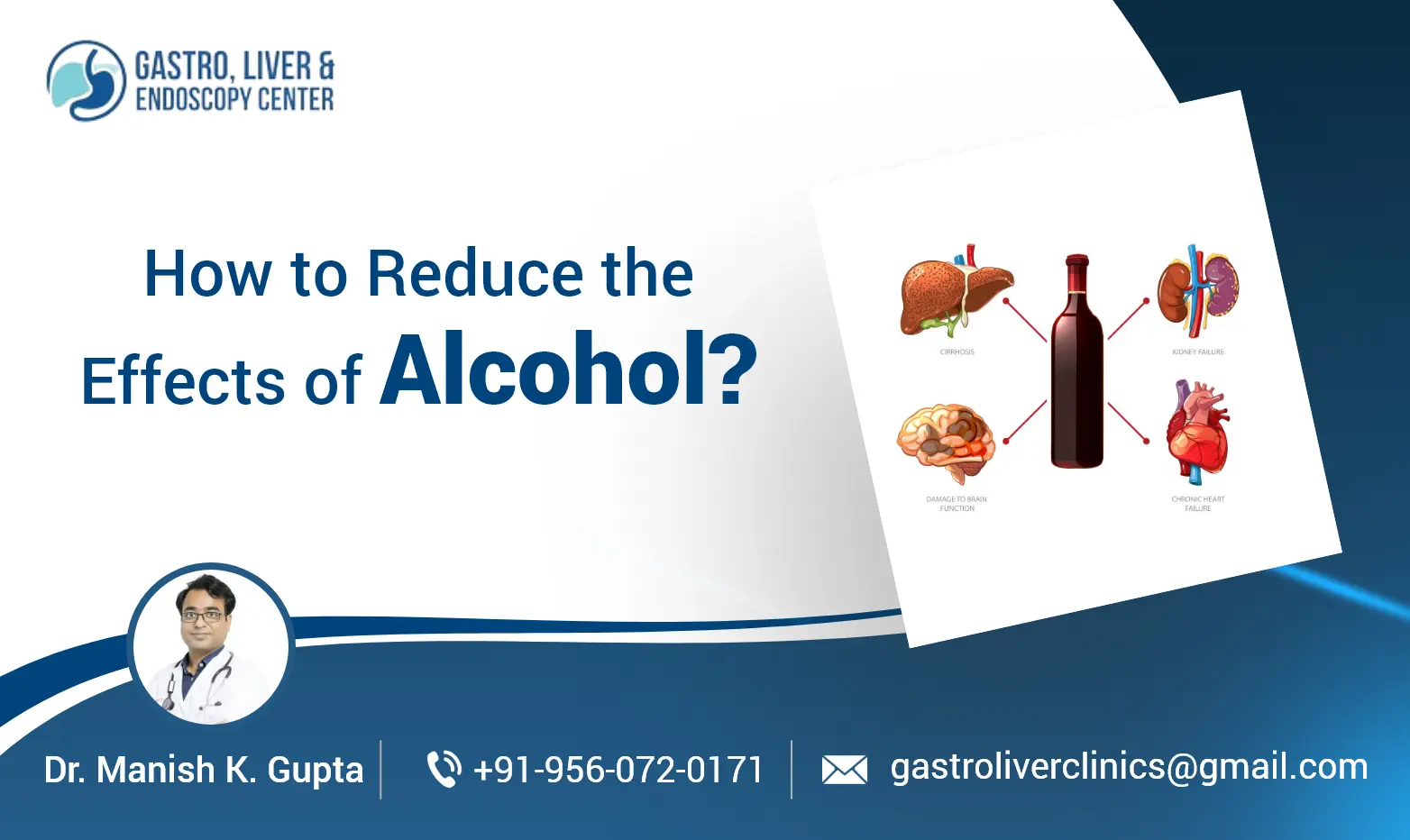
10 Ways to Effects Alcohol Effects on Digestive Health
Alcohol consumption is a common social activity, but excessive drinking can have harmful effects on the gastrointestinal (GI) system. The GI system includes the stomach, intestines, and other organs involved in the digestion and absorption of food. Here are ten guidelines to reduce the consequences of alcohol drinking on GI health.
1. Drink in Moderation
The first and most important guideline is to drink alcohol in moderation. The recommended daily limit for men is two drinks per day, and for women, it is one drink per day. Exceeding this limit can lead to damage to the GI system and other organs in the body.
Contact Us

2. Avoid Binge Drinking
Binge drinking, which is defined as consuming a large amount of alcohol in a short period, is particularly harmful to the GI system. Binge drinking can cause inflammation, bleeding, and damage to the lining of the GI tract.
3. Eat Before Drinking
Eating a meal before drinking can help slow down the absorption of alcohol into the bloodstream. This can reduce the impact of alcohol on the GI system and other organs.
4. Stay Hydrated
Alcohol consumption can cause dehydration, which can lead to constipation and other GI issues. Drinking plenty of water and other non-alcoholic fluids can help prevent dehydration and reduce the risk of GI problems.
5. Avoid Mixing Alcohol with Energy Drinks
Mixing alcohol with energy drinks can be dangerous for the GI system. Energy drinks can mask the effects of alcohol, leading to excessive drinking, and the caffeine in the energy drinks can worsen dehydration and other GI symptoms.
6. Limit Carbonated Beverages
Carbonated beverages can increase the absorption of alcohol into the bloodstream, leading to a quicker onset of its effects. This can increase the risk of GI issues, such as acid reflux and heartburn.
7. Avoid Smoking
Smoking can worsen the effects of alcohol on the GI system. Smoking can increase the risk of GI cancers and other complications.
8. Take Breaks from Alcohol Consumption
Taking breaks from alcohol consumption can give the GI system time to recover and reduce the risk of long-term damage. For example, taking a few days off from drinking each week can help reduce the risk of GI issues.
9. Seek Medical Attention If Experiencing GI Symptoms
If you experience symptoms such as stomach pain, bloating, nausea, vomiting, or diarrhea after drinking alcohol, it is important to seek medical attention. These symptoms could be signs of a more serious GI condition, such as gastritis or pancreatitis.
10. Be Mindful of Your Mental Health
Excessive alcohol consumption can worsen mental health issues such as anxiety and depression. Mental health issues can also worsen the effects of alcohol on the GI system. Seeking professional help for mental health issues can help reduce the risk of negative consequences of alcohol consumption on the GI system.